
Childhood in Livorno and Artistic FormationChildhood in Livorno and Artistic Formation
Amedeo Modigliani was born on July 12, 1884, in the Italian port city of Livorno as the fourth child of a Sephardic Jewish family. His parents, Flaminio Modigliani and Eugenia Garsin, were once wealthy entrepreneurs but faced financial difficulties around the time of Amedeo’s birth. An intriguing anecdote tells that on the day he was born, creditors arrived to seize the family’s assets. Exploiting a law that prohibited the seizure of a bed occupied by a pregnant woman, the family stacked their most valuable possessions on his mother’s bed to protect them.
From an early age, Modigliani was frail in health. At 11, he contracted pleurisy; at 14, he nearly died from typhoid fever; and at 16, he suffered from tuberculosis, leading to chronic lung issues. These persistent illnesses prevented him from receiving regular education, but they provided an opportunity for him to focus on his artistic pursuits. His mother, Eugenia, recognized his artistic talent early and actively supported him. In her diary, she proudly noted Amedeo’s artistic passion and vivid imagination, expressing her belief that he would become a great artist.
Starting in 1898, Modigliani received art education at the studio of local painter Guglielmo Micheli. Micheli was a student of Giovanni Fattori, a member of the Italian Impressionist movement known as the Macchiaioli. Here, Modigliani systematically learned fundamental art techniques, including human anatomy, drawing, and color theory. He was deeply influenced by the works of Renaissance masters like Botticelli, Titian, and Michelangelo, shaping his classical artistic perspective. His early works clearly reflect these influences, demonstrating his understanding of delicate lines and forms.
He also had a profound interest in philosophy and literature. The existential philosophy of Friedrich Nietzsche and the symbolist poetry of Charles Baudelaire significantly impacted his artistic worldview. This intellectual exploration contributed to embedding deep emotions and profound questions about human existence in his works. Proud of her son’s talent and passion, his mother did her utmost to support his art education despite the family’s difficult circumstances.
리보르노에서의 어린 시절과 예술적 형성기
아메데오 모딜리아니는 1884년 7월 12일 이탈리아의 항구 도시 리보르노에서 세파르디 유대인 가정의 네 번째 아이로 태어났다. 그의 부모인 플라미니오 모딜리아니와 유제니아 가르신은 한때 부유한 사업가였지만, 아메데오의 출생 즈음에는 재정적인 어려움에 직면해 있었다. 흥미로운 사실은 그의 탄생일에 채권자들이 가정의 자산을 압류하기 위해 들이닥쳤는데, 가족들은 산모의 침대는 법적으로 압류할 수 없다는 규정을 이용해 가장 귀중한 물품들을 어머니의 침대 위에 쌓아 올려 보호했다는 일화가 전해진다.
어린 시절부터 모딜리아니는 건강이 매우 취약했다. 11세 때 흉막염에 걸렸고, 14세에는 장티푸스로 거의 사망할 뻔했다. 16세에는 결핵에 걸려 폐 질환으로 고통받았다. 이러한 지속적인 질병으로 인해 그는 정규 교육을 제대로 받지 못했지만, 이는 오히려 그의 예술적 탐구에 집중할 수 있는 계기가 되었다. 그의 어머니 유제니아는 아들의 예술적 재능을 일찍이 발견하고 적극적으로 지원했다. 그녀는 일기에서 아메데오의 예술적 열정과 풍부한 상상력을 자랑스럽게 기록하며, 그가 위대한 예술가가 될 것이라는 믿음을 표명했다.
모딜리아니는 1898년부터 지역 화가인 구글리엘모 미켈리의 공방에서 미술 교육을 받기 시작했다. 미켈리는 이탈리아 인상주의 운동인 마키아이올리의 일원인 조반니 파토리의 제자였다. 이곳에서 모딜리아니는 인체 해부학, 드로잉, 색채 이론 등 기초적인 미술 기법을 체계적으로 배웠다. 그는 르네상스 거장들인 보티첼리, 티치아노, 미켈란젤로의 작품에 깊은 감명을 받아 고전주의적인 예술관을 형성했다. 그의 초기 작품들은 이러한 영향이 뚜렷하게 나타나며, 섬세한 선과 형태에 대한 이해를 보여준다.
또한 그는 철학과 문학에도 깊은 관심을 가졌다. 프리드리히 니체의 실존주의 철학과 샤를 보들레르의 상징주의 시는 그의 예술적 세계관에 큰 영향을 주었다. 이러한 지적 탐구는 그의 작품에 내면의 감정과 인간 존재에 대한 심오한 질문을 담아내는 데에 기여했다. 그의 어머니는 이러한 아들의 재능과 열정을 자랑스러워하며, 가족의 어려운 상황 속에서도 그의 예술 교육을 위해 최선을 다했다.

Years of Study in Florence and Venice
In 1902, Modigliani moved to Florence, the city of art, and enrolled in the “Scuola Libera del Nudo” (Free School of Nude Studies). There, he deepened his understanding of the beauty of the human body and anatomical accuracy. Surrounded by the rich Renaissance heritage of Florence, he directly engaged with the sculptures of Michelangelo and the paintings of Leonardo da Vinci, absorbing the essence of classical art. Through studying the forms and proportions of the human body, he enhanced his drawing skills.
In 1903, he relocated to Venice to continue his studies at the “Accademia di Belle Arti” (Academy of Fine Arts). Venice, a central hub of European art at the time, was a city where diverse artistic movements and innovations coexisted. The unique scenery of Venice, famed for its canals and waterways, greatly influenced his sense of color and spatial understanding. Observing the reflection of light on water, he studied the subtle changes and harmonies of color.
While in Venice, he participated in festivals like the Carnival, experiencing a variety of cultures and people. These experiences added freedom and diversity to his artistic expression. During this period, he became interested in new artistic movements such as Symbolism and Post-Impressionism, beginning to explore his own style. He delved deeper into Nietzsche’s philosophy and Baudelaire’s literature, further shaping his perspectives on art and life.
He interacted with Venetian artists, gaining critiques and advice on his work. By experimenting with color usage and expressive techniques, he developed his unique style. These efforts are reflected in his later works, characterized by soft tones and atmospheric backgrounds.
피렌체와 베네치아에서의 수학 시절
1902년, 모딜리아니는 예술의 도시 피렌체로 이주하여 “스쿠올라 리베로 델 누도”에 입학했다. 이곳에서 그는 인체의 아름다움과 해부학적 정확성에 대한 깊은 이해를 쌓았다. 르네상스의 유산이 풍부한 피렌체에서 그는 미켈란젤로의 조각과 레오나르도 다빈치의 회화를 직접 접하며 고전 예술의 정수를 흡수했다. 그는 인체의 형태와 비율에 대한 연구를 통해 자신의 드로잉 기술을 향상시켰다.
1903년에는 베네치아로 이동하여 “아카데미아 디 벨레 아르티”에서 학업을 이어갔다. 베네치아는 당시 유럽 예술의 중심지 중 하나로, 다양한 예술적 흐름과 혁신이 공존하는 도시였다. 운하와 수상 교통으로 유명한 베네치아의 독특한 풍경은 그의 색채 감각과 공간 이해에 큰 영향을 주었다. 그는 빛과 물의 반사를 관찰하며 색채의 미묘한 변화와 조화를 연구했다.
베네치아에서 그는 카니발과 같은 축제에 참여하며 다양한 문화와 사람들을 경험했다. 이러한 경험은 그의 예술적 표현에 자유로움과 다양성을 더해주었다. 또한, 이 시기에 그는 상징주의와 후기 인상주의 등 새로운 예술 사조에 관심을 가지며 자신의 스타일을 모색하기 시작했다. 니체의 철학과 보들레르의 문학에 더욱 심취하게 되어 예술과 삶에 대한 그의 관점을 더욱 깊이 있게 형성했다.
그는 베네치아의 예술가들과 교류하며 자신의 작품에 대한 비평과 조언을 얻었다. 특히, 색채 사용과 표현 기법에 대한 다양한 시도를 통해 자신의 독자적인 스타일을 개발했다. 이러한 노력은 이후 그의 작품에서 나타나는 부드러운 색조와 분위기 있는 배경에 반영되었다.

Moving to Paris and the Heart of the Bohemian Art Scene
In 1906, Modigliani moved to Paris, the epicenter of European art. Settling in the Montmartre district, he joined the Bohemian art scene where innovative artists of the time congregated. Here, he interacted with pioneering figures like Pablo Picasso, Constantin Brâncuși, and Marc Chagall, broadening his artistic horizons. These encounters significantly influenced his creative world, igniting his passion for artistic innovation and experimentation.
The free-spirited atmosphere of Paris stimulated his creativity, leading him to explore various artistic movements while developing his own style. His meeting with Brâncuși played a crucial role in nurturing his passion for sculpture. He became fascinated with African sculpture and primitive art, striving to integrate these elements into his works.
However, life in Paris also brought temptations and risks. He began relying on alcohol and drugs, further deteriorating his already fragile health. This lifestyle infused deep emotion and passion into his art, aiding him in expressing the inner soul and psyche of his subjects. He expanded his understanding of art and life through philosophical discussions with fellow artists in Montmartre’s cafés and salons.
During this period, he deepened his interest in portraiture, engaging with various models. His portraits aimed not only to capture the external appearance but also to delve into the inner emotions and character of his subjects. This approach differed from traditional portraiture of the time and contributed to the unique individuality of his work.
파리로의 이주와 보헤미안 예술계의 중심에서
1906년, 모딜리아니는 유럽 예술의 중심지인 파리로 이주하였다. 그는 몽마르트르 지역에 정착하여 당시 혁신적인 예술가들이 모여 있던 보헤미안 예술계에 합류했다. 이곳에서 그는 파블로 피카소, 콘스탄틴 브랑쿠시, 마르크 샤갈 등 당대의 선구적인 예술가들과 교류하며 자신의 예술적 시야를 넓혔다. 이러한 만남은 그의 작품 세계에 큰 영향을 주었으며, 예술적 혁신과 실험에 대한 열정을 불러일으켰다.
파리의 자유분방한 분위기는 그의 창의성을 자극하였고, 그는 다양한 예술 사조를 탐구하며 자신의 스타일을 발전시켰다. 특히, 브랑쿠시와의 만남은 그가 조각에 대한 열정을 키우는 데에 큰 역할을 했다. 그는 아프리카 조각과 원시 예술에 관심을 가지며, 이러한 요소들을 자신의 작품에 통합하려고 노력했다.
그러나 파리에서의 생활은 그에게 유혹과 위험도 함께 가져왔다. 그는 술과 약물에 의존하는 생활을 시작했으며, 이는 그의 건강을 더욱 악화시켰다. 하지만 이러한 생활 방식은 그의 작품에 깊은 감정과 열정을 불어넣었고, 인간의 내면과 영혼을 표현하는 데에 도움을 주었다. 그는 몽마르트르의 카페와 살롱에서 예술가들과 철학적 토론을 나누며 예술과 삶에 대한 이해를 넓혀갔다.
또한, 그는 이 시기에 여러 모델들과 교류하며 인물화에 대한 관심을 깊게 가졌다. 그의 초상화는 인물의 외형뿐만 아니라 내면의 감정과 성격을 포착하려는 시도로 가득했다. 이러한 접근 방식은 당시의 전통적인 초상화와는 달랐으며, 그의 작품이 독특한 개성을 갖게 된 이유 중 하나였다.

Passion for Sculpture and the Influence of African Art
Initially, Modigliani harbored a greater passion for sculpture than painting. From 1909 to 1914, he devoted himself to sculpture, exploring new modes of expression. Inspired by African sculpture and primitive art, he developed techniques to simplify and abstract the human form. The elongated faces and necks and the simplified shapes in his work are results of these influences.
His “Heads of Women” series exemplifies these characteristics. Crafted from hard materials like limestone, these sculptures aimed to express the essence of the subject through soft curves and simple lines. He sought to explore the harmony between the soul and the body through sculpture, a core aspect of his artistic philosophy.
However, the physical demands of sculpting and exposure to dust and materials worsened his already weakened health. Consequently, he abandoned sculpture and turned his focus entirely to painting. His sculptural experience profoundly influenced his subsequent paintings, where he created a unique aesthetic by simplifying forms and emphasizing lines and planes.
He also experimented with various materials and techniques, blurring the lines between sculpture and painting. This experimental spirit endowed his work with innovation and originality, contributing to the advancement of modern art. His sculptures continue to be recognized for their unique aesthetics and are pivotal in understanding his artistic world.
조각에 대한 열정과 아프리카 예술의 영향
모딜리아니는 초기에는 회화보다 조각에 더 큰 열정을 가지고 있었다. 1909년부터 1914년까지 그는 조각에 집중하며 새로운 표현 방식을 탐구했다. 그는 아프리카 조각과 원시 예술에서 영감을 받아 인체를 단순화하고 추상화하는 기법을 개발했다. 특히, 긴 얼굴과 목, 단순화된 형태는 이러한 영향의 결과물로 나타났다.
그의 조각 작품인 “여인의 머리” 시리즈는 이러한 특징을 잘 보여준다. 이 작품들은 석회암과 같은 단단한 재료로 만들어졌으며, 부드러운 곡선과 단순한 선을 통해 인물의 본질을 표현하려 했다. 그는 조각을 통해 영혼과 육체의 조화를 탐구하고자 했으며, 이는 그의 예술적 철학의 핵심이었다.
그러나 조각 작업은 많은 육체적 노력을 필요로 했고, 먼지와 재료로 인해 그의 이미 약화된 건강이 더욱 악화되었다. 결국 그는 조각을 포기하고 회화로 전환하게 되었다. 하지만 조각에 대한 그의 경험은 이후 그의 회화 작품에도 큰 영향을 주었다. 그는 인물의 형태를 단순화하고, 선과 면을 강조하는 기법을 사용하여 독특한 미감을 창조했다.
또한, 그는 조각과 회화의 경계를 넘나들며 다양한 재료와 기법을 실험했다. 이러한 실험 정신은 그의 작품에 혁신성과 독창성을 부여했으며, 현대 미술의 발전에 기여했다. 그의 조각 작품은 현재까지도 독특한 미학으로 인정받고 있으며, 그의 예술 세계를 이해하는 데 중요한 열쇠가 되고 있다.

In-Depth Analysis of Representative Works
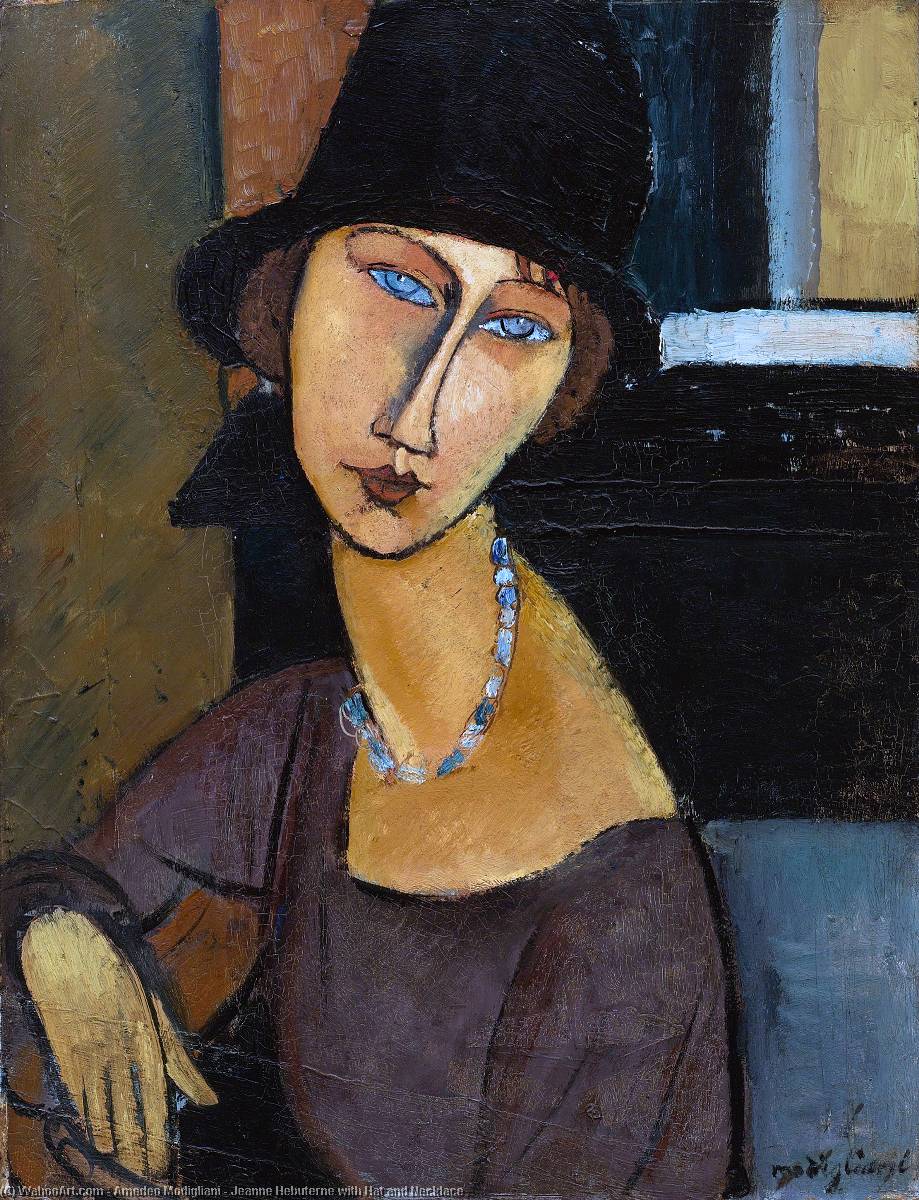
Modigliani’s notable works include the “Reclining Nude” series and “Portrait of Jeanne Hébuterne.” Created in 1917, the “Reclining Nude” is characterized by the elongated form of the figure and soft lines. This work challenged the taboos surrounding nude depictions at the time, leading to its removal by police during an exhibition. While his work sparked social controversy, it also served as a catalyst for the recognition of his artistic innovation.
The “Portrait of Jeanne Hébuterne” depicts his lover and artistic muse, capturing her inner emotions with delicate sensitivity. Modigliani painted Jeanne multiple times, each work expressing his profound love and understanding of her. In his portraits, Jeanne is depicted with a long neck and gentle expression, symbolizing her purity and serenity.
His other portraits, such as “Portrait of a Young Man” and “Portrait of Beatrice Hastings,” demonstrate his endeavor to capture the essence of his subjects beyond their physical appearance. By painting his models with empty eyes or omitting the pupils, he sought to express the soul of the individual. This technique added mystery and depth to his work.
His use of color is also distinctive. Employing a limited palette of soft tones, he conveyed the atmosphere and emotions of his subjects. Simplified backgrounds directed focus onto the figures. These aesthetic choices solidified his work as significant examples in modern art.
대표 작품들의 심층 분석
모딜리아니의 대표 작품으로는 “누워 있는 누드” 시리즈와 “잔 에뷔테른의 초상“이 있다. “누워 있는 누드“는 1917년에 제작된 작품으로, 인물의 길게 늘어진 형태와 부드러운 선이 특징이다. 이 작품은 당시 누드 표현의 금기에 도전하였고, 전시 당시 경찰에 의해 철거되는 사건이 발생했다. 이는 그의 작품이 사회적 논쟁을 일으켰지만, 동시에 예술적 혁신으로 인정받는 계기가 되었다.
“잔 에뷔테른의 초상“은 그의 연인이자 예술적 동반자인 잔 에뷔테른을 그린 것으로, 그녀의 내면과 감정을 섬세하게 담아냈다. 모딜리아니는 잔을 여러 차례 그렸으며, 각 작품마다 그녀에 대한 깊은 사랑과 이해를 표현했다. 그의 작품에서 잔은 긴 목과 부드러운 표정으로 묘사되며, 이는 그녀의 순수함과 고요함을 나타낸다.
또한, 그의 “소년의 초상“, “베아트리체 헤이스팅스의 초상” 등 여러 인물화는 그가 인물의 외형뿐만 아니라 내면의 본질을 포착하려 했음을 보여준다. 그는 모델의 눈을 비어 있게 그리거나, 눈동자를 생략하는 기법을 사용하여 인물의 영혼을 표현하고자 했다. 이러한 기법은 그의 작품에 신비로움과 깊이를 더해주었다.
그의 작품들은 색채 면에서도 독특하다. 그는 제한된 팔레트의 부드러운 색조를 사용하여 인물의 분위기와 감정을 전달했다. 배경은 단순화되어 있으며, 이는 인물에 집중하도록 유도한다. 이러한 미학적 선택은 그의 작품을 현대 미술의 중요한 예로 자리매김하게 했다.

Harmony of Color and Line: The Culmination of a Unique Aesthetic
A defining feature of Modigliani’s art is his expression through simplified lines and a restrained color palette. By reducing forms and eliminating unnecessary details, he concentrated on the essence of his subjects. This approach reflects his intent to capture the inner self and soul. Often, his figures are depicted with empty eyes or without pupils, showcasing his unique interpretation of the eyes as windows to the soul.
He often simplified or omitted backgrounds to enhance focus on the subject. The use of soft color tones added tranquility and calmness to his pieces. Preferring to convey emotion through line and form rather than color, this method can be attributed to his background in sculpture.
His technique of elongating the necks of his figures added elegance and mystique, contributing to the unique aesthetics of his work. This innovative style was unprecedented at the time and went on to influence many subsequent artists.
Distinct from contemporaneous movements like Cubism and Fauvism, his work showcased an independent style. By merging tradition with innovation, he established his own artistic realm, reinforcing his position in modern art history.
색채와 선의 조화: 독특한 미학의 완성
모딜리아니의 작품에서 가장 두드러지는 특징은 간결한 선과 제한된 색채 팔레트를 통한 표현이다. 그는 인물의 형태를 단순화하고, 불필요한 디테일을 제거하여 본질에 집중했다. 이는 그가 인물의 내면과 영혼을 포착하고자 하는 의도를 반영한다. 그의 작품에서 인물의 눈은 종종 비어 있거나, 눈동자가 없는 모습으로 그려진다. 이는 영혼의 창으로서의 눈에 대한 그의 독특한 해석을 보여준다.
그는 배경을 단순화하거나 아예 생략하여 인물에 대한 집중도를 높였다. 색채는 주로 부드러운 톤으로 사용되며, 이는 작품에 고요함과 평온함을 더해준다. 그는 색채보다는 선과 형태를 통해 감정을 전달하려 했으며, 이는 그의 조각 경험에서 비롯된 것으로 볼 수 있다.
또한, 그는 인물의 목을 길게 늘여 표현하는 기법을 사용했다. 이는 인물에 우아함과 신비로움을 더해주며, 그의 작품에 독특한 미학을 부여했다. 이러한 스타일은 당시의 예술계에서는 혁신적이었으며, 이후 많은 예술가들에게 영향을 주었다.
그의 작품은 입체파나 야수파와 같은 당시의 다른 예술 사조와는 구별되는 독자적인 스타일을 보여준다. 그는 전통과 혁신을 결합하여 자신만의 예술 세계를 구축했으며, 이는 현대 미술사에서 그의 위치를 공고히 하는 데 기여했다.

Lesser-Known Rumors and Anecdotes
Modigliani’s bohemian lifestyle in Paris made him the subject of various rumors and anecdotes. It is said that he often exchanged his artwork on the streets for a drink or a meal. While this partly stemmed from financial hardship, it also reflected his passion for art and his approach to life.
Stories circulate that he would directly ask strangers on the street to model nude for his paintings. His charismatic and attractive demeanor persuaded many to become his subjects. Known for reciting poetry or singing spontaneously at parties, he embodied the free spirit of an artist. Some friends claimed he danced naked at gatherings, though such tales may have been exaggerated over time.
His lifestyle defied the social norms of his era, emphasizing his value on independence and artistic freedom. Unbound by tradition, he pursued his own path in life and art, a philosophy evident in his work. However, this way of living adversely affected his health and contributed to his premature death.
잘 알려지지 않은 소문과 일화들
모딜리아니는 파리 예술계에서의 자유분방한 생활로 여러 소문과 일화의 주인공이 되었다. 그는 종종 거리에서 자신의 작품을 술 한 잔이나 식사와 교환하곤 했다고 전해진다. 이는 그의 재정 상태가 좋지 않았기 때문이기도 하지만, 예술에 대한 그의 열정과 삶에 대한 그의 태도를 보여주는 예이다.
또한, 그는 누드를 그릴 모델을 찾기 위해 거리에서 직접 사람들에게 요청했다는 이야기도 있다. 그의 매력적인 외모와 카리스마로 인해 많은 이들이 그의 모델이 되었다. 그는 파티에서 시를 낭독하거나 즉흥적으로 노래를 부르는 등 예술가로서의 자유로운 영혼을 표현했다. 일부 친구들은 그가 파티에서 나체로 춤을 추었다고 주장하기도 하지만, 이러한 일화들은 시간이 지나며 과장되었을 가능성도 있다.
그의 생활 방식은 당시의 사회적 규범을 벗어난 것이었으며, 이는 그가 예술가로서의 독립성과 자유를 중요시했기 때문으로 볼 수 있다. 그는 전통에 얽매이지 않고 자신만의 삶과 예술을 추구했으며, 이는 그의 작품에도 반영되었다. 그러나 이러한 생활은 그의 건강에 악영향을 미쳤으며, 그의 조기 사망의 원인 중 하나가 되었다.

Love and Tragedy with Jeanne Hébuterne, and His Legacy
In 1917, Modigliani met Jeanne Hébuterne, an art student, and they fell deeply in love. Jeanne’s quiet and introverted nature contrasted with Modigliani’s passionate and free-spirited character, yet they formed a strong bond through their shared passion for art and deep understanding of each other. Living together, they inspired each other artistically, with Jeanne becoming his primary model.
Modigliani’s health, however, continued to decline. Suffering from severe lung disease due to tuberculosis, his condition worsened because of alcohol and drug abuse. On January 24, 1920, he died of tubercular meningitis. Devastated by his death, a pregnant Jeanne took her own life two days later by jumping from her parents’ home. This tragic love story touched many hearts and has since been depicted in numerous artworks and literary pieces.
Although largely unrecognized during his lifetime, Modigliani’s work was reassessed posthumously. His unique style and profound understanding of human subjects greatly influenced future generations of artists. Today, his artworks are exhibited in major museums worldwide and fetch high prices at auctions. His artistic legacy holds a significant place in modern art history, opening new possibilities in portraiture.
His daughter, Jeanne Modigliani, played a crucial role in preserving and promoting his works and legacy. Through research and exhibitions, she broadened the public’s understanding of her father’s artistic world. Modigliani’s life and art continue to inspire many today, significantly contributing to the exploration of the human psyche and soul through his work.
잔 에뷔테른과의 사랑과 비극, 그리고 유산
1917년, 모딜리아니는 미술 학생이었던 잔 에뷔테른을 만나 깊은 사랑에 빠졌다. 잔은 조용하고 내성적인 성격으로, 모딜리아니의 열정적이고 자유로운 성격과는 대조적이었다. 그러나 두 사람은 예술에 대한 열정과 서로에 대한 깊은 이해로 강한 유대감을 형성했다. 그들은 함께 생활하며 예술적 영감을 주고받았으며, 잔은 그의 주요 모델이 되었다.
그러나 모딜리아니의 건강은 계속해서 악화되었다. 그는 결핵으로 인해 심각한 폐 질환에 시달렸으며, 술과 약물 남용으로 인해 상태가 더욱 나빠졌다. 1920년 1월 24일, 그는 결핵성 뇌막염으로 세상을 떠났다. 그의 죽음에 큰 충격을 받은 잔은 임신한 상태에서 이틀 후 자신의 부모 집에서 투신하여 목숨을 끊었다. 이 비극적인 사랑 이야기는 많은 이들의 가슴을 울렸으며, 이후 여러 예술 작품과 문학에서 다루어졌다.
모딜리아니는 생전에는 큰 인정받지 못했지만, 사후 그의 작품은 재평가되었다. 그의 독특한 스타일과 인물에 대한 깊은 이해는 후대 예술가들에게 큰 영향을 주었다. 현재 그의 작품은 전 세계 주요 미술관에서 전시되고 있으며, 경매에서도 높은 가치를 인정받고 있다. 그의 예술적 유산은 현대 미술사에서 중요한 위치를 차지하고 있으며, 인물화의 새로운 가능성을 열어주었다.
그의 딸인 지안나 모딜리아니는 이후 그의 작품과 유산을 보존하고 알리는 데에 중요한 역할을 했다. 그녀는 아버지의 작품에 대한 연구와 전시를 통해 그의 예술 세계를 널리 알렸다. 모딜리아니의 삶과 예술은 오늘날까지도 많은 사람들에게 영감을 주고 있으며, 그의 작품은 인간의 내면과 영혼을 탐구하는 데에 큰 기여를 하고 있다.

Keywords: Amedeo Modigliani, Modigliani artworks, Modigliani biography, Jeanne Hébuterne, Modigliani nude paintings, African art influence, Paris Bohemian scene, 20th-century modern art, Modigliani anecdotes, Modigliani sculptures, Modigliani style, Modigliani color palette
키워드: 아메데오 모딜리아니, 모딜리아니 작품, 모딜리아니 생애, 잔 에뷔테른, 모딜리아니 누드, 아프리카 예술 영향, 파리 보헤미안, 20세기 현대 미술, 모딜리아니 소문, 모딜리아니 조각, 모딜리아니 일화, 모딜리아니 대표작, 모딜리아니 색채, 모딜리아니 스타일
References:
- Modigliani: Painting Souls, Seoul Arts Center, 2015
- “Modigliani: A Life” by Meryle Secrest, Alfred A. Knopf, 2011
- Official website of the Livorno Museum of Contemporary Art: www.museofattori.livorno.it
- Paris Montparnasse Art History Institute: www.montparnasse-artist.com
- Modigliani Collection at the Museum of Modern Art (MoMA), New York: www.moma.org/artists/4032
- Amedeo Modigliani and His Era by Laurence Joffe, Phaidon Press, 2006
- Modigliani Exhibition at Tate Modern: www.tate.org.uk/art/artists/amedeo-modigliani-1653
- Modigliani: The Pure Bohemian by Jeffrey Meyers, Farrar, Straus and Giroux, 2014
Leave a Reply