

Early Life and Artistic Growth
Michelangelo Buonarroti was born on March 6, 1475, in Caprese, Republic of Florence, Italy. His parents came from a distinguished merchant family in Florence, and Michelangelo exhibited a deep interest and exceptional talent in the arts from a young age. With the active support of his parents, he was able to enroll in Florence’s art school, Accademia di Belle Arti di Firenze, at an early age, where he systematically studied sculpture, painting, architecture, and various other art forms. Through interactions with noble families and artists in Florence, Michelangelo deeply internalized the human-centered philosophies and artistic ideals of the Renaissance era, greatly influenced by senior artists such as Donatello and Raphael. In particular, his thorough study of human anatomy enabled him to accurately portray the aesthetic beauty and dynamism of the human body, skills that were prominently displayed in his later works. This education and experience formed the foundation for Michelangelo’s outstanding technical prowess in both sculpture and painting.
초기 생애와 예술적 성장
미켈란젤로 부오나로티는 1475년 3월 6일 이탈리아 피렌체 공화국의 카프레제에서 태어났다. 그의 부모는 피렌체의 저명한 상인 가문 출신으로, 미켈란젤로는 어린 시절부터 예술에 대한 깊은 흥미와 뛰어난 재능을 보였다. 부모님의 적극적인 지원으로 그는 어린 나이에 피렌체의 예술 학교인 아카데미아 디 아르테 디 라 오르사피아에 입학할 수 있었으며, 이곳에서 조각, 회화, 건축 등 다양한 예술 분야를 체계적으로 학습하였다. 피렌체의 고귀한 가정과 예술가들과의 교류를 통해 르네상스 시대의 인간 중심적 사상과 예술 철학을 깊이 있게 체득한 미켈란젤로는 도나텔로, 라파엘로 등 선배 예술가들로부터 큰 영향을 받았다. 특히 인체 해부학에 대한 철저한 연구를 통해 인체의 미적 아름다움과 역동성을 정확하게 표현하는 능력을 키웠으며, 이는 그의 후대 작품에서 뛰어난 표현력과 세밀함으로 나타났다. 이러한 교육과 경험은 미켈란젤로가 조각과 회화에서 보여준 뛰어난 기술의 기초가 되었다.


David: Symbol of Perfect Human Form
One of Michelangelo’s representative sculptural works, David, was created over approximately three years from 1501 to 1504 and is currently located in the Piazza della Signoria in Florence. This marble sculpture depicts King David from the Bible and is regarded not only as a religious figure but also as a symbol of human courage and decisiveness. Standing approximately five meters tall, David showcases meticulous muscle definition and a natural posture that embody the perfect proportions and vitality of the human form. Michelangelo infused life into the sculpture by intricately depicting each muscle and skeletal structure based on his deep understanding of human anatomy. David’s determined expression captures the tension and bravery of the moment he confronts Goliath, making it a masterpiece that exemplifies the essence of Renaissance sculpture. Additionally, the work holds political significance as a symbol of the Republic of Florence’s freedom and independence, closely tied to the social context of the time. David stands as a testament to Michelangelo’s artistic genius and profound appreciation for human form, making it a quintessential example of Renaissance sculpture.
다비드: 완벽한 인체의 상징
미켈란젤로의 대표 조각 작품인 다비드(David)는 1501년부터 1504년까지 약 3년에 걸쳐 제작되었으며, 현재는 피렌체의 시뇨리아 광장에 위치해 있다. 이 대리석 조각상은 성서 속 다윗 왕을 묘사한 것으로, 단순한 종교적 인물을 넘어 인간의 용기와 결단력을 상징하는 상징물로 여겨진다. 다비드는 약 5미터에 달하는 키로, 세밀한 근육 표현과 자연스러운 자세를 통해 인체의 완벽한 비율과 생동감을 구현하였다. 미켈란젤로는 이 작품에서 인체 해부학에 대한 깊은 이해를 바탕으로 각 근육과 뼈대의 구조를 정교하게 표현함으로써 조각에 생동감을 불어넣었다. 다비드의 결연한 표정은 골리앗과 맞서는 순간의 긴장감과 용기를 잘 담아내고 있으며, 이는 르네상스 조각의 정수를 보여주는 걸작으로 평가받는다. 또한, 이 작품은 피렌체 공화국의 자유와 독립을 상징하는 정치적 의미도 지니고 있어, 당시의 사회적 맥락과도 밀접한 관련이 있다. 다비드는 미켈란젤로의 예술적 천재성과 인간 형상에 대한 깊은 애정을 증명하는 작품으로, 르네상스 조각의 대표작으로 손꼽힌다.


Ceiling of the Sistine Chapel: Masterpiece of Creation
The ceiling of the Sistine Chapel in the Vatican, painted by Michelangelo between 1508 and 1512 over approximately four years, is one of the most renowned artworks globally. This extensive fresco depicts various scenes from the Old Testament, notably the creation of the heavens and the earth, the creation of Adam, Noah’s Flood, and the Tower of Babel, all portrayed with vivid dynamism. Through this fresco, Michelangelo visually explored complex themes such as the relationship between humans and the divine, creation and destruction, life and death. The entire ceiling is composed of five main panels, each dynamically arranging diverse figures and events to leave a profound impression on viewers. Particularly, the scene of ‘The Creation of Adam’ symbolically represents human potential and divine connection by illustrating the moment when God and Adam reach out their hands to each other. This fresco reflects Michelangelo’s exceptional painting skills and deep faith, earning it recognition as a masterpiece that embodies the essence of Renaissance art. Despite facing significant physical challenges during the work, Michelangelo’s dedication and passion are evident in this piece, further proving his greatness as an artist.
시스티나 성당 천장화: 천지창조의 걸작
바티칸 시스티나 성당의 천장화는 미켈란젤로가 1508년부터 1512년까지 약 4년에 걸쳐 작업한 대규모 벽화로, 전 세계적으로 가장 유명한 예술 작품 중 하나로 손꼽힌다. 이 작품은 구약성서의 여러 장면을 담고 있으며, 특히 천지가 창조되는 모습, 아담의 창조, 노아의 홍수, 그리고 바벨탑 이야기가 생동감 있게 표현되어 있다. 미켈란젤로는 이 벽화를 통해 인간과 신의 관계, 창조와 파괴, 생명과 죽음 등의 복잡한 주제를 시각적으로 풀어냈다. 천장 전체를 아우르는 이 작품은 5개의 주요 패널로 구성되어 있으며, 각 패널마다 다양한 인물과 사건들이 역동적으로 배치되어 있어 관람객들에게 강렬한 인상을 남긴다. 특히, ‘아담의 창조’ 장면에서는 신과 아담이 손을 맞대는 순간을 통해 인간의 잠재력과 신성한 연결을 상징적으로 표현하였다. 이 벽화는 미켈란젤로의 뛰어난 회화 기술과 깊은 신앙심을 반영하며, 르네상스 예술의 정수를 대표하는 걸작으로 손꼽힌다. 작업 당시 미켈란젤로는 체력적으로 큰 어려움을 겪었음에도 불구하고, 그의 헌신과 열정이 이 작품에 고스란히 담겨 있어 예술가로서의 그의 위대함을 다시 한번 증명하였다.


Pieta: Delicate Expression of Emotion
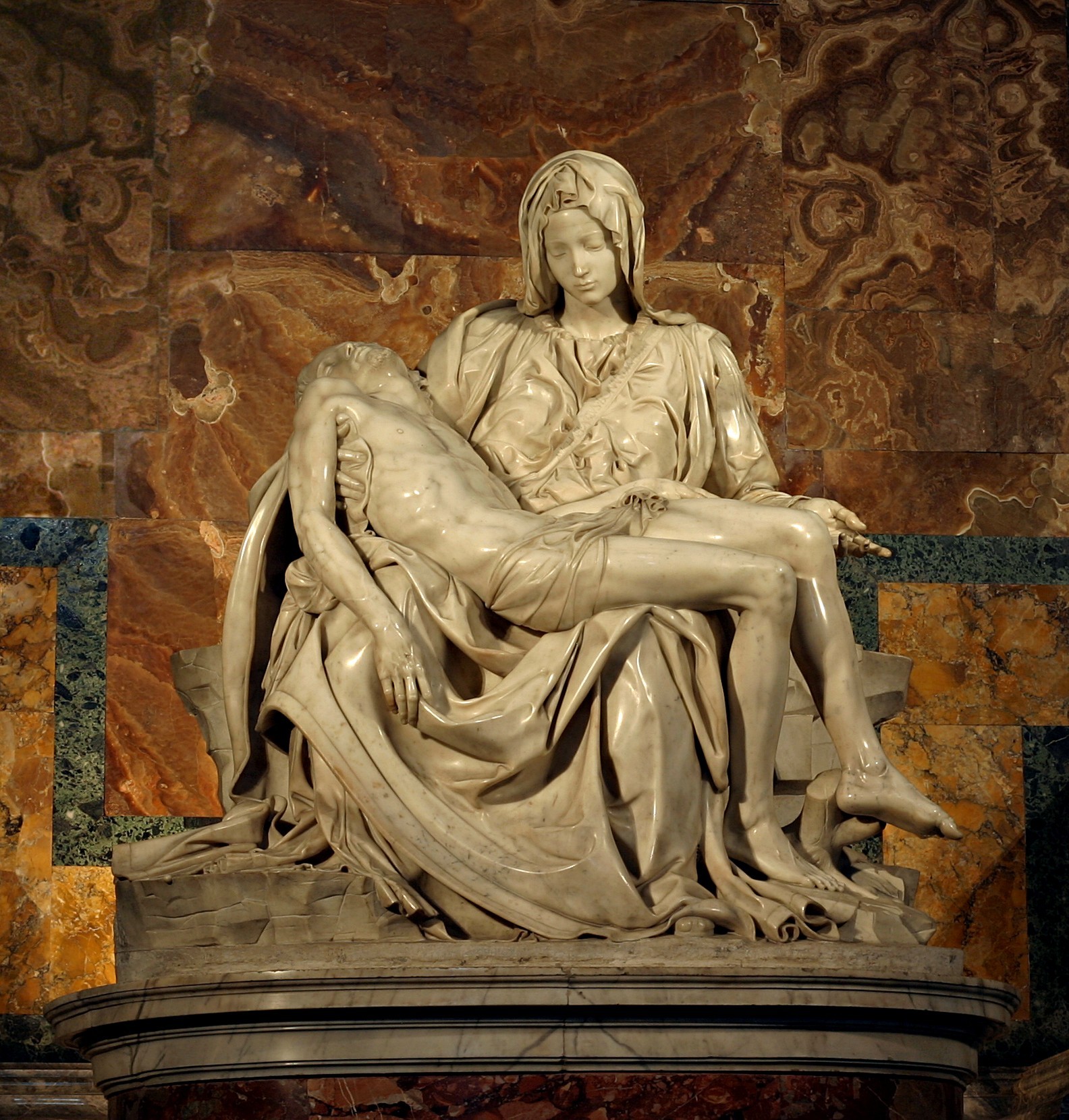
Pieta is a marble sculpture created by Michelangelo between 1498 and 1499, currently housed in the Vatican’s Sistine Chapel. This artwork delicately portrays Mary holding the lifeless body of Jesus Christ, highlighting Michelangelo’s exceptional sculpting skills and emotional expressiveness. Despite being an early work of a young artist, Pieta demonstrates high artistic perfection through its intricate depiction of the human body and the depth of emotion conveyed. Mary’s face bears sorrow and pain, while Jesus’ lifeless body is rendered with soft, natural curves that beautifully capture the boundary between life and death. Through this sculpture, Michelangelo showcased his ability to sensitively capture human emotions, and his skill in conveying narrative through sculpture greatly inspired subsequent artists. Pieta was created under the patronage of the Church, symbolizing not only religious significance but also artistic innovation. This piece effectively displays Michelangelo’s human side and artistic passion, standing out as a representative example that emphasizes both emotional and humanistic aspects among his works.
피에타: 감정의 섬세한 표현
피에타(Pietà)는 미켈란젤로가 1498년부터 1499년까지 제작한 대리석 조각으로, 현재는 바티칸 시스티나 성당에 소장되어 있다. 이 작품은 예수 그리스도의 시신을 안고 있는 마리아의 모습을 섬세하게 표현한 것으로, 미켈란젤로의 뛰어난 조각 기술과 감성적 표현력이 돋보인다. 피에타는 젊은 예술가의 초기 작품임에도 불구하고, 인체의 세밀한 표현과 감정의 깊이를 통해 높은 예술적 완성도를 보여준다. 마리아의 얼굴에는 슬픔과 고통이 배어 있으며, 예수의 시신은 부드럽고 자연스러운 곡선으로 표현되어 생명과 죽음의 경계를 아름답게 담아내고 있다. 미켈란젤로는 이 작품을 통해 인간의 감정을 섬세하게 포착하는 능력을 입증하였으며, 조각을 통해 이야기를 전달하는 그의 능력은 후대 예술가들에게 큰 영감을 주었다. 피에타는 당시 교회의 후원을 받아 제작된 것으로, 종교적 의미뿐만 아니라 예술적 혁신을 상징하는 작품으로 평가받고 있다. 이 작품은 미켈란젤로의 인간적인 면모와 예술적 열정을 잘 보여주며, 그의 작품 중에서도 특히 감성적이고 인간적인 측면을 강조한 대표적인 예로 손꼽힌다.


The Last Judgment: Vivid Depiction of the Second Coming
The Last Judgment, painted by Michelangelo on the altar wall of the Sistine Chapel between 1536 and 1541 over approximately five years, is a large-scale fresco that portrays the second coming of Christ and the final judgment. Based on the Book of Revelation in the New Testament, the artwork vividly depicts scenes of salvation and damnation as people are judged by Christ. Michelangelo used this fresco to express the conflict between human destiny and moral responsibility, salvation and damnation, delivering a powerful religious message visually. The Last Judgment features a multitude of figures dynamically arranged, including angels, saints, and sinners, each expressing various emotions and postures, leaving a strong impression on viewers. Particularly, the central figure of Jesus Christ exudes authority and majesty, anchoring the entire composition, while the surrounding figures, each with unique characteristics and emotions, enrich the narrative. This fresco exemplifies Michelangelo’s artistic maturity and religious fervor, being especially praised for its emotional expression and detailed portrayal of characters, cementing its status as a masterpiece in art history. Additionally, The Last Judgment carries significant historical context as it was influenced by the Reformation, embedding a more intense religious message and holding considerable importance within its historical framework.
최후의 심판: 강렬한 재림의 묘사
시스티나 성당의 제단 벽면에 그려진 최후의 심판(The Last Judgment)은 미켈란젤로가 1536년부터 1541년까지 약 5년에 걸쳐 완성한 대형 벽화로, 예수 그리스도의 재림과 최후의 심판을 주제로 하고 있다. 이 작품은 신약성서의 요한계시록을 바탕으로 하여, 구원받은 자와 죄인들이 최후의 심판을 받는 장면을 생동감 있게 묘사하고 있다. 미켈란젤로는 이 벽화를 통해 인간의 운명과 도덕적 책임, 구원과 저주의 대립을 강렬하게 표현하였으며, 이를 통해 종교적 메시지를 시각적으로 전달하고자 하였다. 최후의 심판은 수많은 인물들이 역동적으로 배치되어 있으며, 천사와 성인, 죄인들이 다양한 감정과 자세로 표현되어 있어 관람객들에게 강렬한 인상을 남긴다. 특히, 예수 그리스도의 권위와 위엄을 강조하는 중심인물의 표현은 작품 전체의 중심을 잡아주며, 그 주변에 배치된 인물들은 각각의 개성과 감정을 통해 이야기를 더욱 풍부하게 만든다. 이 벽화는 미켈란젤로의 예술적 성숙과 종교적 열정을 잘 보여주는 대표작으로, 그의 작품 중에서도 특히 감정 표현과 인물 묘사의 완성도가 높아 예술사에 길이 남을 걸작으로 평가받고 있다. 또한, 최후의 심판은 당시 종교 개혁의 영향을 받아 더욱 강렬한 종교적 메시지를 담고 있어 역사적 맥락에서도 중요한 의미를 지니고 있다.


Dome of St. Peter’s Basilica: Talent as an Architect
Michelangelo was not only a master sculptor and painter but also an accomplished architect. One of his prominent architectural works is the Dome of St. Peter’s Basilica in Rome, showcasing his versatility. In 1546, Michelangelo moved to Rome upon the invitation of Pope Clement VII and took on the responsibility of completing the unfinished dome of St. Peter’s Basilica. He employed an innovative design that fused Gothic and Renaissance styles, striving for both structural stability and aesthetic beauty. Michelangelo meticulously designed the curves and proportions of the dome to seamlessly integrate with Rome’s skyline, providing significant inspiration to future architects. Additionally, he paid close attention to the interior decorations and spatial arrangements of the dome, aiming to create a majestic and reverent atmosphere for visitors. Michelangelo’s architectural philosophy emphasized balance and harmony, prioritizing both functionality and aesthetic elegance. His architectural works are regarded as masterpieces that transcend mere construction, embodying artistic value and historical significance, and stand as exemplary representations of Renaissance architecture. The dome of St. Peter’s Basilica remains a landmark in Rome today, illustrating how Michelangelo’s architectural talent and artistic vision were realized, and serving as a significant legacy.
성 베드로 대성당 돔: 건축가로서의 재능
미켈란젤로는 조각과 회화뿐만 아니라 건축가로서도 뛰어난 재능을 발휘하였다. 그의 대표적인 건축 작품 중 하나인 성 베드로 대성당(Dome of St. Peter’s Basilica)의 돔 설계와 건축 참여는 그의 다재다능함을 잘 보여준다. 1546년 교황 클레멘스 7세의 초청을 받아 로마로 이동한 미켈란젤로는 당시 미완성 상태였던 성 베드로 대성당의 돔을 완성하는 책임을 맡게 되었다. 그는 고딕 양식과 르네상스 양식을 융합한 독창적인 설계를 통해, 돔의 구조적 안정성과 아름다움을 동시에 추구하였다. 미켈란젤로는 돔의 곡선과 비례를 정교하게 설계하여 로마의 스카이라인에 우아하게 어우러지도록 하였으며, 이는 이후의 건축가들에게 큰 영감을 주었다. 또한, 그는 돔 내부의 장식과 공간 배치에도 세심한 주의를 기울여 방문객들에게 장엄하고 경건한 분위기를 전달하고자 하였다. 미켈란젤로의 건축 철학은 균형과 조화를 중시하며, 기능성과 미적 아름다움을 동시에 추구하는 데 그 특징이 있다. 그의 건축 작품은 단순한 건축물을 넘어 예술적 가치와 역사적 의미를 동시에 지닌 걸작으로 평가받으며, 르네상스 건축의 정수를 보여주는 대표적인 예로 남아 있다. 성 베드로 대성당 돔은 오늘날에도 로마의 랜드마크로 자리매김하고 있으며, 미켈란젤로의 건축적 재능과 예술적 비전이 어떻게 실현되었는지를 잘 보여주는 중요한 유산이다.


Lesser-Known Rumors: The Artist’s Human Side
One lesser-known rumor about Michelangelo is that he was highly stubborn and a perfectionist. His extreme passion for art led him to endure immense stress in order to complete his works, often resulting in conflicts with his assistants. Michelangelo held a firm belief in his artistic vision, which made him less receptive to others’ opinions or criticisms. While this perfectionism contributed to the high quality of his works, it also caused difficulties in his personal relationships. Additionally, Michelangelo was known to obsess over minute details during the creative process, slowing down his work pace, which sometimes forced him to work late into the night to meet project deadlines. His passionate pursuit of perfection added depth to his works but occasionally led to conflicts with those around him. Another rumor suggests that Michelangelo experienced deep emotions in love and friendship but was reluctant to express them publicly. He cherished personal relationships and reportedly only revealed his feelings to close friends. This human side added further depth to his art, demonstrating that Michelangelo was a complex and multifaceted individual beyond being merely an artist. His personal strengths and weaknesses significantly influenced the emotions and expressiveness in his works, making him an even more compelling artist.
잘 알려지지 않은 소문: 예술가의 인간적인 면모
미켈란젤로에 대한 잘 알려지지 않은 소문 중 하나는 그가 매우 독선적이고 완벽주의적이었다는 점이다. 그의 예술에 대한 열정은 극단적이어서, 작품을 완성하기 위해 극도의 스트레스를 받았으며, 종종 작업자들과 갈등을 빚기도 했다는 이야기가 전해진다. 특히, 미켈란젤로는 자신의 예술적 비전에 대한 확고한 신념을 가지고 있었기에 다른 사람들의 의견이나 비판을 잘 받아들이지 않았다. 이러한 완벽주의는 그의 작품에 높은 완성도를 가져다주었지만, 동시에 인간관계에는 어려움을 초래하였다. 또한, 그는 작업 과정에서 세부 사항에 지나치게 집착하여 작업 속도가 느려지기도 했으며, 이로 인해 프로젝트 마감일을 맞추기 위해 야근을 하는 등 헌신적인 모습을 보이기도 했다. 예술가로서의 열정과 완벽을 추구하는 태도는 그의 작품에 깊이를 더해주었으나, 때로는 주변 사람들과의 갈등을 유발하기도 했다. 또 다른 소문으로는, 미켈란젤로가 사랑과 우정에 있어서도 깊은 감정을 느꼈으나 이를 공개적으로 표현하는 것을 꺼려했다는 점이 있다. 그는 개인적인 관계를 매우 소중히 여기며, 가까운 친구들에게만 자신의 감정을 드러냈다는 이야기가 전해진다. 이러한 인간적인 면모는 그의 예술에 더욱 깊이를 부여하였으며, 미켈란젤로가 단순한 예술가를 넘어 복잡하고 다면적인 인물이었음을 보여준다. 그의 인간적인 약점과 강점은 그의 작품 속에 묻어 나오는 감정과 표현력에 큰 영향을 미쳤으며, 이는 그를 더욱 매력적인 예술가로 만들었다.


Legacy and Influence on Modern Art
Michelangelo is hailed as the pinnacle of Renaissance art, with his works and artistic philosophies exerting profound influence on subsequent generations of artists. His innovative techniques and unique expressions inspired various art movements, including Baroque and Neoclassicism, with his emphasis on proportion and dynamism serving as a model for many later artists. Michelangelo’s art transcended mere aesthetic beauty, focusing on deeply exploring human emotions and inner life, which continues to significantly influence modern art. The delicate portrayal of human forms and the intense emotional communication in his sculpture and painting remain essential reference points for contemporary artists. Additionally, Michelangelo’s architectural achievements can be observed in modern architecture, with his design philosophies being continuously studied. Michelangelo’s legacy is commemorated through his works in art museums and architectural landmarks worldwide, marking an important milestone in art history. His creations continue to inspire countless individuals, embodying the beauty and creativity of art. In modern art education, Michelangelo’s works and life story serve as crucial educational resources, and his artistic legacy is expected to endure for a long time. Michelangelo is remembered as a multifaceted artist whose versatile artistic activities and humanistic traits left an indelible mark on art history, and his passion and dedication significantly contributed to the advancement of art.
Michelangelo is remembered as an individual whose versatile artistic activities and humanistic traits left a lasting legacy in art history. His works continue to inspire many people today, standing as representative examples symbolizing the beauty and creativity of art. His passion and dedication have established a legacy that will remain in art history for generations, and his artistic influence is expected to persist in the future.
유산과 현대 예술에 미친 영향
미켈란젤로는 르네상스 예술의 정점으로 평가받으며, 그의 작품과 예술적 철학은 이후의 예술가들에게 지대한 영향을 미쳤다. 그의 혁신적인 기법과 독창적인 표현은 바로크, 네오클래식 등 다양한 예술 사조에 영감을 주었으며, 특히 인체의 비율과 역동성을 강조한 그의 작품은 많은 후대 예술가들에게 모범이 되었다. 미켈란젤로의 예술은 단순한 미적 아름다움을 넘어 인간의 내면과 감정을 깊이 있게 탐구하는 데 중점을 두었으며, 이는 현대 미술에서도 중요한 영향을 미치고 있다. 그의 조각과 회화에서 보여준 인간 형상의 섬세한 표현과 강렬한 감정 전달 방식은 오늘날의 예술가들에게도 여전히 중요한 참고 자료로 활용되고 있다. 또한, 미켈란젤로의 건축적 업적은 현대 건축에서도 그의 영향을 찾아볼 수 있으며, 그의 설계 철학은 지속적으로 연구되고 있다. 미켈란젤로의 유산은 전 세계 미술관과 건축물에서 그의 작품을 통해 지속적으로 기념되고 있으며, 예술사의 중요한 이정표로 남아 있다. 그의 작품은 많은 사람들에게 영감을 주며, 예술의 아름다움과 창조성을 상징하는 대표적인 예로 자리매김하고 있다. 현대 예술 교육에서도 미켈란젤로의 작품과 생애는 중요한 교육 자료로 활용되고 있으며, 그의 예술적 유산은 앞으로도 오랜 시간 동안 이어질 것이다. 미켈란젤로는 그의 다재다능한 예술 활동과 인간적인 면모로 인해 예술사에 길이 남을 인물로 기억되고 있으며, 그의 열정과 헌신은 예술의 발전에 큰 기여를 하였다.
미켈란젤로는 그의 다재다능한 예술 활동과 인간적인 면모로 인해 예술사에 길이 남을 인물로 기억되고 있다. 그의 작품은 오늘날에도 많은 사람들에게 영감을 주며, 예술의 아름다움과 창조성을 상징하는 대표적인 예로 자리매김하고 있다. 그의 열정과 헌신은 예술사에 길이 남을 유산으로 자리매김하고 있으며, 앞으로도 그의 예술적 영향력은 지속될 것이다.


Keywords: Michelangelo, David, Pieta, Sistine Chapel, The Last Judgment, St. Peter’s Basilica, Renaissance art, Michelangelo rumors, Michelangelo legacy, Michelangelo architecture, Michelangelo painting, Michelangelo sculpture, Michelangelo biography
키워드: 미켈란젤로, Michelangelo, 다비드, 피에타, 시스티나 성당, 최후의 심판, 성 베드로 대성당, 르네상스 예술, 미켈란젤로 소문, 미켈란젤로 유산, 미켈란젤로 건축, 미켈란젤로 회화, 미켈란젤로 조각, 미켈란젤로 생애
References:
- Wikipedia – Michelangelo
- Vatican Sistine Chapel Official Website
- Michelangelo Foundation
- [Michelangelo-related Academic Papers and Books]
- Accademia di Belle Arti di Firenze Materials
Leave a Reply