

Nicolas Poussin: A Master of Classicism
Nicolas Poussin (June 15, 1594 – November 19, 1665) was a French painter who left a profound impact on European art history as a leading figure of Classicism. Born in the small village of Les Andelys in Normandy, he displayed a passion for art from an early age. His father, Jean Poussin, served as a soldier before working as a farmer, and the family lived in relative poverty. Despite these circumstances, Poussin’s artistic talent caught the attention of those around him. He developed his skills by learning basic painting techniques from local artists.
At the age of 18, Poussin moved to Paris, marking the beginning of his formal art education. In Paris, he frequented the studios of various painters and was influenced by Mannerism and Baroque art. During this period, he studied under artists like Georges Lallemand, honing his techniques. However, rather than following the popular styles of the time, he set his artistic direction toward pursuing classical ideals inspired by the art of ancient Greece and Rome. This unique approach played a pivotal role in shaping his artistic world thereafter.
고전주의의 거장, 니콜라 푸생의 생애
니콜라 푸생(Nicolas Poussin, 1594년 6월 15일 ~ 1665년 11월 19일)은 프랑스를 대표하는 고전주의 화가로서, 유럽 미술사에 깊은 발자취를 남겼다. 노르망디의 작은 마을 레장들리에서 태어난 그는 어린 시절부터 예술에 대한 열정을 보였다. 그의 아버지 장 푸생(Jean Poussin)은 병사로 복무한 후 농부로 일했으며, 가족은 비교적 빈곤한 생활을 했다. 그러나 이러한 환경에서도 푸생의 예술적 재능은 주변의 주목을 받았다. 그는 지역의 예술가들에게서 기본적인 그림 기법을 배우며 자신의 재능을 발전시켰다.
푸생은 18세가 되던 해에 파리로 이동하여 본격적인 미술 교육을 받는 계기를 마련했다. 파리에서 그는 여러 화가들의 작업실을 오가며 매너리즘과 바로크 미술의 영향을 받았다. 이 시기에 그는 조르주 랄레(Georges Lallemand)와 같은 화가들의 지도 아래 그림을 공부하며 기술을 연마했다. 하지만 그는 당시 유행하던 스타일보다는 고대 그리스와 로마의 예술에서 영감을 얻어 고전적인 이상을 추구하는 방향으로 예술적 지향점을 설정하였다. 이러한 그의 독자적인 예술적 방향성은 이후 그의 작품 세계를 형성하는 데 핵심적인 역할을 했다.


From Paris to Rome: A Turning Point in His Artistic Journey
In 1624, Poussin relocated to Rome in search of artistic inspiration. Rome was the cultural and artistic center of the time, rich with ancient ruins and works by Renaissance masters. The journey was challenging, but he overcame difficulties with strong determination. Upon arrival, he secured lodging with the help of the French embassy and expanded his artistic horizons by visiting ancient sites and galleries.
He studied styles and techniques by examining ancient sculptures and works by Raphael, Titian, Caravaggio, and others. The perfect proportions and balance of ancient sculptures and the human expressions and use of color by Renaissance masters greatly influenced his work. Life in Rome had a decisive impact on his style, playing a significant role in laying the foundation for Classicist art. During this time, he interacted with the Italian poet Giovanni Battista Marino, enhancing his understanding of the interplay between literature and art. Supported by the papacy and Roman nobility, he produced various works and built his reputation.
파리에서 로마로: 예술적 여정의 전환점
1624년, 푸생은 예술적 영감을 찾기 위해 로마로 이주하였다. 로마는 당시 예술과 문화의 중심지로서, 고대 유적과 르네상스 거장들의 작품이 풍부하게 존재했다. 로마로 향하는 여정은 쉽지 않았지만, 그는 강한 의지로 어려움을 극복했다. 로마에 도착한 후 그는 프랑스 대사관의 도움으로 숙소를 마련하고, 고대 유적지와 미술관을 방문하며 자신의 예술 세계를 확장하였다.
그는 고대 조각과 라파엘로, 티치아노, 카라바조 등의 작품을 연구하며 스타일과 기술을 습득했다. 특히 고대 조각의 완벽한 비례와 균형, 르네상스 거장들의 인체 표현과 색채 사용은 그의 작품에 큰 영향을 미쳤다. 로마에서의 생활은 그의 스타일에 결정적인 영향을 미쳤으며, 고전주의 미술의 기초를 다지는 데 큰 역할을 하였다. 이 시기에 그는 이탈리아의 시인 마리노(Giovanni Battista Marino)와도 교류하며 문학과 예술의 상호작용에 대한 이해를 높였다. 또한 교황청과 로마 귀족들의 후원을 받으며 다양한 작품을 제작하였고, 자신의 명성을 쌓아갔다.


Fusion of Antiquity and the Renaissance: Artistic Characteristics and Techniques
Poussin’s work is characterized by a fusion of the artistic traditions of ancient Greece and Rome with Renaissance humanism. He depicted figures and scenes using clear lines and distinct forms, emphasizing strict composition and balance. His works feature mathematical proportions and harmonious arrangements, providing viewers with a sense of visual stability. He utilized a calm and restrained palette to create the mood of his pieces, expressing depth and spatiality through subtle tonal variations rather than intense colors.
Moreover, Poussin sought to convey philosophical and moral messages through his choice of subjects. He infused his works with reflections on human nature and moral values by depicting historical events, myths, and religious stories. This technique prompted viewers to engage in philosophical contemplation alongside appreciating visual beauty. He viewed art not merely as aesthetic pleasure but as a means to explore the essence of humanity and nature. This approach differentiated him from the artistic trends of his time and is evident throughout his body of work.
고대와 르네상스의 융합: 예술적 특징과 기법
푸생의 작품은 고대 그리스와 로마의 예술적 전통과 르네상스의 인간주의를 융합한 것이 특징이다. 그는 선명한 선과 명확한 형태를 통해 인물과 장면을 표현하였으며, 엄격한 구성과 균형을 중요시하였다. 그의 작품에서는 수학적 비례와 조화로운 구성이 돋보이며, 이는 관객들에게 시각적인 안정감을 제공한다. 색채는 차분하고 절제된 팔레트를 사용하여 작품의 분위기를 조성하는 데 활용되었다. 그는 강렬한 색채보다는 미묘한 톤의 변화를 통해 깊이와 공간감을 표현하였다.
또한 푸생은 작품의 주제 선정에 있어서도 철학적이고 도덕적인 메시지를 전달하고자 했다. 그는 역사적 사건이나 신화, 종교적인 이야기를 통해 인간의 본성과 도덕적 가치에 대한 사색을 담아냈다. 그의 이러한 기법은 관객들에게 시각적인 아름다움과 동시에 철학적 사유를 이끌어내는 효과를 가져왔다. 그는 예술을 단순한 미적 즐거움이 아닌, 인간성과 자연의 본질을 탐구하는 수단으로 보았다. 이러한 그의 접근은 당시의 예술적 흐름과는 차별화된 것이었으며, 그의 작품 전반에 걸쳐 나타난다.


The Philosophy Embodied in His Masterpiece ‘Et in Arcadia Ego’
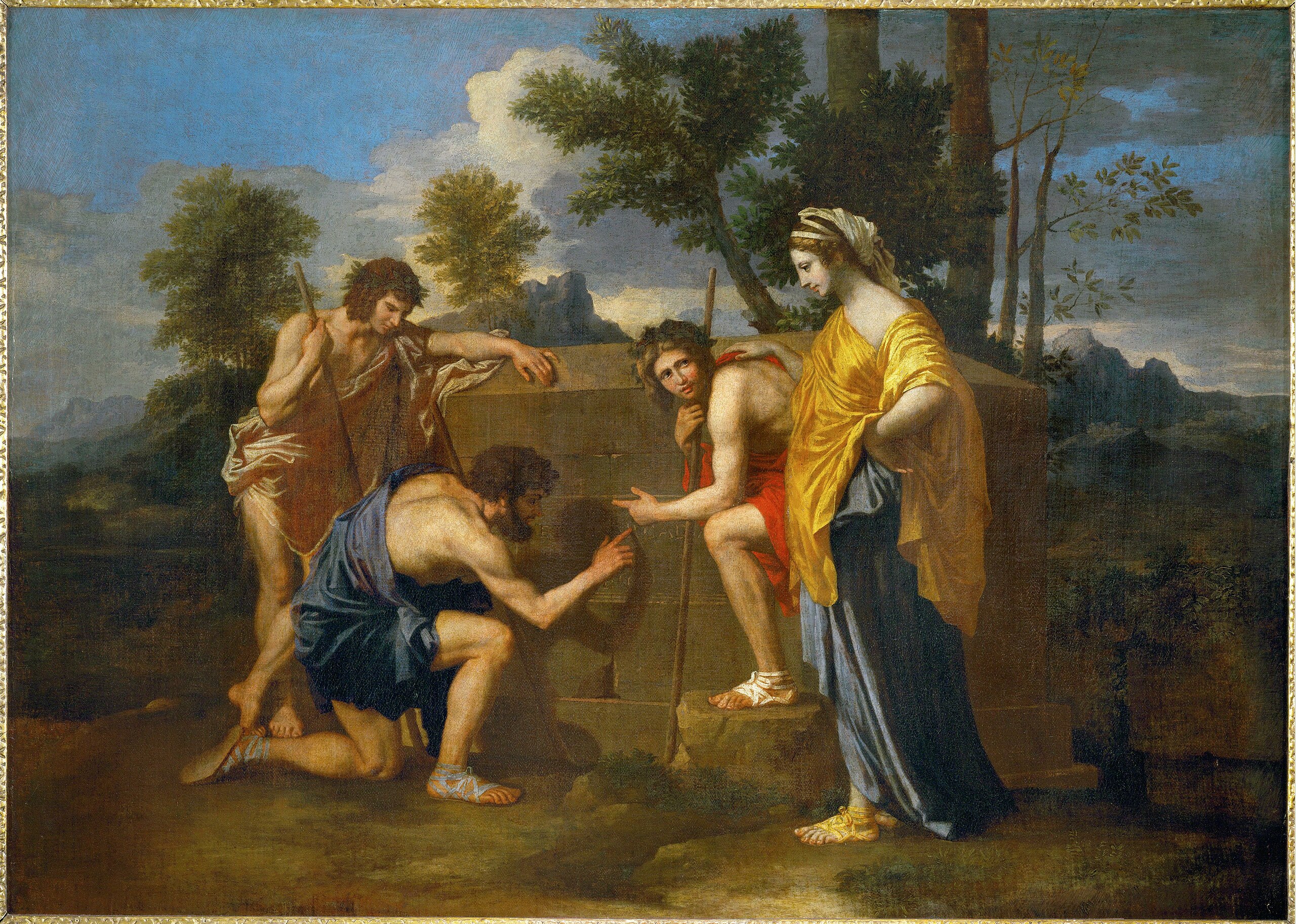
“Et in Arcadia Ego” is one of Poussin’s representative works, depicting shepherds who discover a tomb and realize the inevitability of death. The painting contrasts the transience of life with the eternity of nature, embedding deep philosophical meaning. The figures’ postures and expressions are solemn yet serene, representing acceptance and understanding of death. The shepherds read the inscription on the tomb, becoming aware of their own mortality.
The background landscape is idealized, featuring clear skies and gentle hills in harmony. This symbolizes the eternal aspect of nature contrasted with human finiteness. Poussin visually expressed the flow of time and the meaning of existence through the harmony of light and shadow. The work is acclaimed as a masterpiece that showcases his philosophical depth and artistic perfection, playing a key role in understanding his thoughts and aesthetics.
대표작 ‘아르카디아의 목자들’에 담긴 철학
“아르카디아의 목자들(Et in Arcadia Ego)”은 푸생의 대표작 중 하나로, 목자들이 무덤을 발견하고 죽음의 불가피성을 깨닫는 장면을 그렸다. 이 작품은 인생의 덧없음과 자연의 영원함을 대조적으로 표현하여 깊은 철학적 의미를 담고 있다. 인물들의 자세와 표정은 엄숙하면서도 평온하며, 이는 죽음에 대한 수용과 이해를 나타낸다. 목자들은 무덤에 새겨진 문구를 읽으며 자신의 유한성을 깨닫고 있다.
배경의 풍경은 이상화된 자연으로 그려져 있으며, 맑은 하늘과 부드러운 언덕이 조화를 이룬다. 이는 인간의 유한함과 대비되는 영원한 자연의 모습을 상징한다. 푸생은 이 작품에서 빛과 그림자의 조화를 통해 시간의 흐름과 존재의 의미를 시각적으로 표현하였다. 이 작품은 푸생의 철학적 깊이와 예술적 완성도를 보여주는 걸작으로 평가받으며, 그의 사상과 미학을 이해하는 데 핵심적인 역할을 한다.


Depicting History and Myth: ‘The Rape of the Sabine Women’ and ‘Parnassus’
“The Rape of the Sabine Women” is one of Nicolas Poussin’s notable historical paintings, illustrating the mythological event where early Romans abducted women from the Sabine tribe to solve population shortages. In this work, Poussin portrayed human emotions and moral dilemmas through complex composition and multifaceted character expressions. Romulus stands resolutely at the left, commanding the action, while the women struggle not to be separated from their families amid fear and chaos. The grand architecture in the background symbolizes the majesty of Rome, and the use of calm colors with intense focal points guides visual attention. This painting goes beyond mere historical depiction to explore the complex facets of human society and ethical conflicts, showcasing Poussin’s artistic skill and philosophical depth.
In “Parnassus,” he depicted Apollo, the god of art and poetry, along with the Muses, portraying the sanctity and inspiration of art. Through this work, Poussin reflected on his own identity as an artist and contemplated the essence of art. The arrangement of the figures achieves strict symmetry and harmony, and the mountains and natural elements in the background symbolize the source of artistic inspiration. By representing various art forms like music, poetry, and dance through the Muses, he expressed the diversity and richness of art. This work exemplifies his Classicist aesthetics and explores the harmonious relationship among art, nature, and humanity.
역사와 신화를 그리다: ‘사비니 여인들의 약탈’과 ‘파르나소스’
“사비니 여인들의 약탈(The Rape of the Sabine Women)”은 니콜라 푸생의 대표적인 역사화로, 로마 건국 신화에서 초기 로마인들이 인구 부족 문제를 해결하기 위해 사비니 부족의 여인들을 납치하는 사건을 그렸다. 이 작품에서 푸생은 복잡한 구도와 다층적인 인물 표현을 통해 인간의 감정과 도덕적 딜레마를 묘사하였다. 왼쪽의 로물루스는 결의에 찬 모습으로 지휘하고 있으며, 여인들은 공포와 혼란 속에서 가족과 떨어지지 않으려 애쓴다. 배경의 웅장한 건축물은 로마의 위엄을 상징하며, 차분한 색채와 강렬한 포인트 컬러의 사용은 시각적 집중을 유도한다. 이 작품은 단순한 역사적 재현을 넘어 인간 사회의 복잡한 면모와 윤리적 갈등을 탐구하며, 푸생의 예술적 기술과 철학적 깊이를 보여주는 걸작으로 평가받는다.
“파르나소스(Parnassus)”에서는 예술과 시의 신인 아폴론과 뮤즈들을 그려 예술의 신성함과 영감을 묘사하였다. 푸생은 이 작품을 통해 예술가로서의 자신의 정체성과 예술의 본질에 대한 사색을 담아냈다. 인물들의 배치는 엄격한 대칭과 조화를 이루고 있으며, 배경의 산과 자연은 예술적 영감의 원천을 상징한다. 그는 음악, 시, 춤 등 다양한 예술 분야를 대표하는 뮤즈들을 통해 예술의 다원성과 풍부함을 표현하였다. 이 작품은 그의 고전주의적 미학을 잘 보여주며, 예술과 자연, 인간의 조화로운 관계를 탐구한다.

.jpg)
Hidden Stories and Lesser-Known Rumors About Poussin
Poussin led a relatively introverted and reclusive life. According to accounts, he returned to France in 1640 and was appointed as a court painter for Louis XIII. However, disillusioned by the complexities of court life and political intrigues, he returned to Rome in 1642. He valued artistic freedom and independence over courtly honors and wealth. This decision reflects his introspective and cautious personality and demonstrates his determination to preserve his purity as an artist.
He also emphasized thorough planning and sketching in his work, sometimes creating actual human models or using small-scale mock-ups. This innovative approach reflected his deep understanding and perfectionism. Rumors suggest that he rarely collaborated with other painters, preferring a solitary working style to fully realize his artistic vision.
푸생의 숨겨진 이야기와 알려지지 않은 소문
푸생은 생애 동안 비교적 내성적이고 은둔적인 삶을 살았다. 알려진 바에 따르면, 그는 1640년에 프랑스로 돌아와 루이 13세의 궁정 화가로 임명되었으나, 궁정 생활의 복잡함과 정치적인 음모에 실망하여 1642년에 다시 로마로 돌아갔다고 한다. 그는 궁정에서의 명예와 부보다는 예술적 자유와 독립성을 중요시했다. 이러한 결정은 그의 내성적이고 신중한 성격을 반영하며, 예술가로서의 순수성을 지키고자 하는 그의 의지를 보여준다.
또한 그는 작품 제작에 있어 철저한 계획과 스케치를 중시하였으며, 이를 위해 실제 인체 모형을 제작하거나 작은 규모의 모델을 사용하기도 하였다. 이러한 그의 작업 방식은 당시로서는 혁신적이었으며, 그의 작품에 대한 깊은 이해와 완벽주의를 반영한다. 일부 소문에 따르면, 그는 작품을 제작하는 데 있어 다른 화가들과의 협업을 거의 하지 않았으며, 자신의 예술적 비전을 온전히 구현하기 위해 고독한 작업 방식을 선호했다고 한다.


Influence on Later Generations and Artistic Legacy
Poussin’s art significantly influenced subsequent generations beyond his lifetime. His Classicist approach and pursuit of ideal beauty inspired 19th-century Neoclassical painters. Notably, artists like Jacques-Louis David learned the importance of strict composition and moral themes from his works. During the French Revolution, David embraced Poussin’s ideals by producing works that emphasized national identity and morality.
Poussin’s works also provided a foundation for discussions on the purpose and essence of art among art theorists and philosophers. He believed that art should not be mere aesthetic pleasure but serve as a medium conveying moral lessons and philosophical contemplation. This belief significantly influenced modern discussions on the social role and responsibility of art.
후대에 미친 영향과 예술적 유산
푸생의 예술은 그의 생애를 넘어 후대에 큰 영향을 미쳤다. 그의 고전주의적 접근과 이상적인 아름다움에 대한 추구는 19세기 신고전주의 화가들에게 영감을 주었다. 특히 자크 루이 다비드(Jacques-Louis David)와 같은 화가들은 그의 작품에서 엄격한 구성과 도덕적 주제의 중요성을 배웠다. 다비드는 프랑스 혁명기 동안 푸생의 이상을 계승하여 국민적 정체성과 도덕성을 강조하는 작품을 제작하였다.
푸생의 작품은 또한 미술 이론가들과 철학자들에게 예술의 목적과 본질에 대한 논의의 토대를 제공하였다. 그는 예술이 단순한 미적 즐거움이 아니라, 도덕적 교훈과 철학적 사유를 전달하는 매체로서의 역할을 수행해야 한다고 믿었다. 이러한 그의 신념은 예술의 사회적 역할과 책임에 대한 현대적 논의에도 큰 영향을 미쳤다.


Poussin’s Position and Evaluation in Modern Art History
Today, Poussin is recognized as a pioneer of Classicist art, and his works are housed in leading museums worldwide, including the Louvre Museum and the Metropolitan Museum of Art. His art continues to inspire contemporary artists, offering opportunities to re-examine the values and aesthetic standards of Classicism. Art historians strive to understand the historical development of art and its cultural context through his works.
His philosophical depth and artistic perfection possess timeless value, providing continuous inspiration to viewers. His works are essential teaching materials in art education, studied for their composition, color, subject selection, and more. Additionally, they are considered vital resources for understanding the boundaries between Classicism and Baroque in art history.
현대 미술사에서의 푸생의 위치와 평가
오늘날 푸생은 고전주의 미술의 선구자로서 인정받고 있으며, 그의 작품은 루브르 박물관, 메트로폴리탄 미술관 등 세계 유수의 미술관에 소장되어 있다. 그의 예술은 현대 예술가들에게도 영감을 주며, 고전주의의 가치와 미적 기준을 재조명하는 계기가 되고 있다. 미술사 연구자들은 그의 작품을 통해 예술의 역사적 발전과 문화적 맥락을 이해하고자 노력하고 있다.
그의 철학적 깊이와 예술적 완성도는 시대를 초월한 가치를 지니며, 관객들에게 지속적인 감동을 선사한다. 그의 작품은 미술 교육에서도 중요한 교재로 활용되며, 구성, 색채, 주제 선정 등 다양한 측면에서 연구되고 있다. 또한 그의 작품은 예술사에서의 고전주의와 바로크의 경계를 이해하는 데 중요한 자료로 간주된다.


Keywords: Nicolas Poussin, Classicist painter, Et in Arcadia Ego, The Rape of the Sabine Women, Parnassus, French art history, Roman art, Neoclassicism, Jacques-Louis David, Classicist aesthetics, Renaissance influence, philosophy of art
키워드: 니콜라 푸생, Nicolas Poussin, 고전주의 화가, 아르카디아의 목자들, 사비니 여인들의 약탈, 파르나소스, 프랑스 미술사, 로마 예술, 신고전주의, 자크 루이 다비드, 고전주의 미학, 르네상스 영향, 예술 철학
- Wikipedia: https://en.wikipedia.org/wiki/Nicolas_Poussin
- MET: https://www.metmuseum.org/toah/hd/pous/hd_pous.htm
- E. H. Gombrich, The Story of Art
- Anthony Blunt, The Life and Work of Nicolas Poussin
- National Museum of Korea, “The Flow of European Art and Nicolas Poussin”
- John Stoich, Nicolas Poussin and Classicist Art
Leave a Reply