

The Life and Background of Giovanni Bellini
Giovanni Bellini (1430-1516) was a prominent painter born in Venice during the Renaissance period, and his artistic background was rooted in his family. The Bellini family was already renowned for its artistic contributions, with Giovanni’s father, Jacopo Bellini, being an influential painter in Venice. Jacopo adhered to traditional medieval art styles while also experimenting with new techniques, a creative approach that greatly influenced the young Giovanni. Giovanni’s older brother, Gentile Bellini, was also a famous painter of the time, notably known for painting the portrait of Sultan Mehmed II of the Ottoman Empire. Thanks to this family background, Giovanni received a classical art education from an early age and developed exceptional skills. While training within the family, he cultivated a formal and structured approach, gradually developing his unique style under the influence of his father and brother.
During his youth, Giovanni Bellini encountered the detailed depictions and oil painting techniques of Flemish painters through artistic exchanges between Venice and Northern Europe. This exposure significantly impacted his work, as he incorporated the realistic depictions and methods of the Flemish school into his own paintings, blending them with the classical idealism of Italian figures. This background allowed Bellini to establish a unique style that distinguished him from his contemporaries. Although his early works clearly reflect the influence of his father, he eventually forged his own path and became a pioneer of the Venetian school of painting.
조반니 벨리니의 생애와 성장 배경
조반니 벨리니(Giovanni Bellini, 1430-1516)는 르네상스 시대 이탈리아의 베네치아에서 태어난 대표적인 화가로, 그의 예술적 배경은 가족 내에서부터 시작되었다. 벨리니 가문은 이미 예술가 가문으로 명성을 떨쳤으며, 그의 아버지 야코포 벨리니(Jacopo Bellini)는 베네치아에서 영향력 있는 화가로 활동하고 있었다. 야코포는 중세 미술의 전통적인 양식을 따르면서도 새로운 기술과 기법을 실험하는 데 열려 있었으며, 이러한 창의적인 접근 방식은 젊은 조반니에게 큰 영향을 주었다. 또한 그의 형인 젠틸레 벨리니(Gentile Bellini) 역시 당대에 유명한 화가였고, 오스만 제국의 술탄 메흐메드 2세의 초상화를 그린 것으로도 유명하다. 이러한 가문적 배경 덕분에 조반니는 어릴 적부터 고전적 예술 교육을 받았고, 뛰어난 기술을 습득할 수 있었다. 그는 가족 내에서 수련하면서 형식적이고 구조적인 면모를 갖추었고, 아버지와 형의 영향 아래에서 자신만의 독창적인 스타일을 점차 발전시켜 나갔다.
젊은 시절, 그는 베네치아와 북유럽의 예술적 교류를 통해 플랑드르 화가들의 세밀한 디테일 묘사와 유화 기법을 접하게 된다. 이 경험은 조반니 벨리니의 작품에 커다란 영향을 미쳤다. 그는 플랑드르 화파의 현실적인 묘사와 기법을 자신의 회화에 접목하여, 고전적인 이탈리아의 이상적 인물 묘사와 결합시켰다. 이러한 배경 덕분에 벨리니는 당대 다른 화가들과 차별화된 자신만의 독창적인 양식을 구축할 수 있었다. 그의 초기 작품에서는 아버지의 영향이 뚜렷이 나타나지만, 점차 독자적인 길을 걷게 되면서 그는 베네치아 화파의 선구자로 자리매김하게 된다.


Master of Color: The Use of Oil Paint
Giovanni Bellini was exceptionally skilled at handling color and light. He was particularly adept at using oil paints to express subtle variations in color and contrasts of light and shadow. The Renaissance era was a period of significant change in artistic expression as advancements in paint technology evolved. Early Renaissance painters primarily used tempera, which dried quickly and posed limitations on the smooth depiction of light and shadow. In contrast, oil paint dried slowly and allowed for layering, enabling more delicate color and texture expression. Bellini was one of the pioneers in utilizing this technique to create deep tones and soft textures in his works.
Bellini’s mastery went beyond technical perfection; he emphasized emotional and psychological expression through color. The warm hues and gentle light in his paintings played a key role in conveying the emotional states of his subjects. For instance, in his Madonna and Child paintings, the soft light falling on the Virgin Mary’s face highlights her piety and serene emotions, while also effectively portraying the tender relationship between mother and child. Through his use of oil paints, Bellini innovatively expressed the emotional depth of his figures, setting him apart from other painters of his time. His approach to color became a hallmark of the Venetian school of painting.
색채의 마스터: 기름 물감의 활용
조반니 벨리니는 색채와 빛을 다루는 데 있어 탁월한 재능을 보였다. 그는 특히 기름 물감을 사용하여 색채의 미묘한 변화와 명암의 대비를 표현하는 데 뛰어났다. 당시 르네상스 시대는 물감의 발전과 함께 예술적 표현 기법도 크게 변화하던 시기였다. 초기 르네상스 화가들은 주로 템페라(tempera)를 사용했으나, 이 기법은 빠르게 건조되고 명암을 부드럽게 표현하는 데 한계가 있었다. 이에 반해 기름 물감은 느리게 마르며 여러 층을 쌓아가며 그림을 그릴 수 있어, 더 섬세한 색채와 질감 표현이 가능했다. 벨리니는 이러한 기법을 선구적으로 활용하여 자신의 작품에 깊이 있는 색조와 부드러운 질감을 구현했다.
그는 단순히 기법적 완성도에만 머무르지 않고, 색채를 통해 감정과 정서적인 표현을 강조하는 데 주력했다. 그의 작품에서 볼 수 있는 따뜻한 색감과 부드러운 빛의 사용은 인물의 감정적 상태를 드러내는 중요한 요소로 작용한다. 예를 들어 그의 성모자상에서 성모의 얼굴에 드리워진 은은한 빛은 그녀의 경건함과 평온한 감정을 더욱 부각하며, 아이와의 따뜻한 관계를 표현하는 데 효과적으로 사용되었다. 조반니 벨리니는 기름 물감을 통해 단순한 색채의 아름다움을 넘어서, 인물의 감정적 깊이를 표현하는 데 혁신적인 기법을 창출해 냈다. 이는 그가 당대 다른 화가들과 차별화되는 중요한 이유 중 하나였으며, 이러한 색채 기법은 이후 베네치아 화파의 중요한 특징으로 자리 잡았다.


Religious Themes and Their Expression
Most of Giovanni Bellini’s works centered on religious themes, with Madonna and Child being a central motif of his artistic style. Rather than simply portraying the Virgin and Child as religious symbols, Bellini emphasized the warmth and human bond between them. In his Madonna and Child paintings, the Virgin Mary exhibits both piety and maternal emotion, and the expressions and postures of the figures are meticulously detailed and realistic. Bellini’s religious works stand out for their ability to evoke both the sacred and the human, giving them deeper meaning beyond mere religious symbolism.
The San Zaccaria Altarpiece is a large altarpiece featuring the Virgin Mary and the Christ Child at its center, surrounded by saints in harmonious composition. Installed in the San Zaccaria Church, the piece highlights the three-dimensionality of the figures through the use of chiaroscuro, and the architectural elements and landscapes surrounding them are rendered with great detail. The Virgin and Child are enveloped in soft, warm light, emphasizing the sacred atmosphere. Bellini’s unique sense of color and use of light create a composition that evokes both sanctity and warmth.
This altarpiece masterfully balances divine and realistic depictions of figures, demonstrating Bellini’s skill in expressing religious themes through the emotions of his subjects. He conveyed the reverence of the saints while simultaneously portraying their humanity. Bellini excelled in creating a mystical and devout ambiance in his religious works, using color and light to heighten the sacredness of the scenes.
종교적 주제와 그 표현
조반니 벨리니의 작품은 주로 종교적 주제를 다루었으며, 특히 “성모자상(Madonna and Child)”은 그의 주요한 화풍의 한 축을 이루고 있었다. 그는 성모와 아이의 관계를 단순히 종교적 상징으로 묘사하는 것이 아니라, 그들 사이의 따뜻한 감정과 인간적인 유대감을 강조하였다. 그의 성모자상에서 성모는 경건함과 동시에 모성애적인 감정을 지니고 있으며, 아이와의 관계 속에서 그려진 표정과 자세는 매우 섬세하고 현실적이다. 이러한 벨리니의 작품에서는 인물이 신성한 존재로 묘사되면서도 동시에 인간적인 감정을 느끼게 하는 표현이 두드러지며, 이는 그의 작품이 단순한 종교적 상징 이상의 의미를 가지게 한다.
“성 자카리아 제단화(San Zaccaria Altarpiece)”는 성모 마리아와 아기 예수가 중앙에 위치한 대형 제단화이다. 이 작품은 성 자카리아 성당에 설치된 대형 제단화로, 성모와 아기 예수를 둘러싼 성인들이 자연스럽게 조화를 이루고 있는 구도를 가지고 있다. 벨리니는 이 작품에서 명암법을 통해 인물들의 입체감을 부각하고, 그 주위에 있는 건축적 요소와 풍경을 섬세하게 묘사하였다. 특히 성모와 아기 예수는 부드럽고 따뜻한 빛으로 둘러싸여 있어 경건한 분위기를 강조한다. 이 작품은 벨리니의 독특한 색채감과 빛의 표현을 통해 성스러움과 인간적인 따스함을 동시에 느끼게 한다.
“성 자카리아 제단화”는 그리스도교적 상징성과 베네치아 회화의 특징적인 요소를 잘 결합한 작품으로, 벨리니가 종교적 주제를 표현할 때 어떤 방식으로 인물들의 감정을 묘사했는지 잘 보여준다. 그는 이 작품에서 성스러움과 현실적인 인물 묘사 사이에서 균형을 잘 잡고 있으며, 성인들의 경건한 모습과 동시에 인간적인 감정을 전달하고 있다. 벨리니는 이러한 종교적 제단화에서 색채와 빛을 통해 신비롭고 경건한 분위기를 만들어내는 데 탁월한 능력을 보였다.


Major Works: The Ecstasy of St. Francis, Madonna of the Pesaro Family
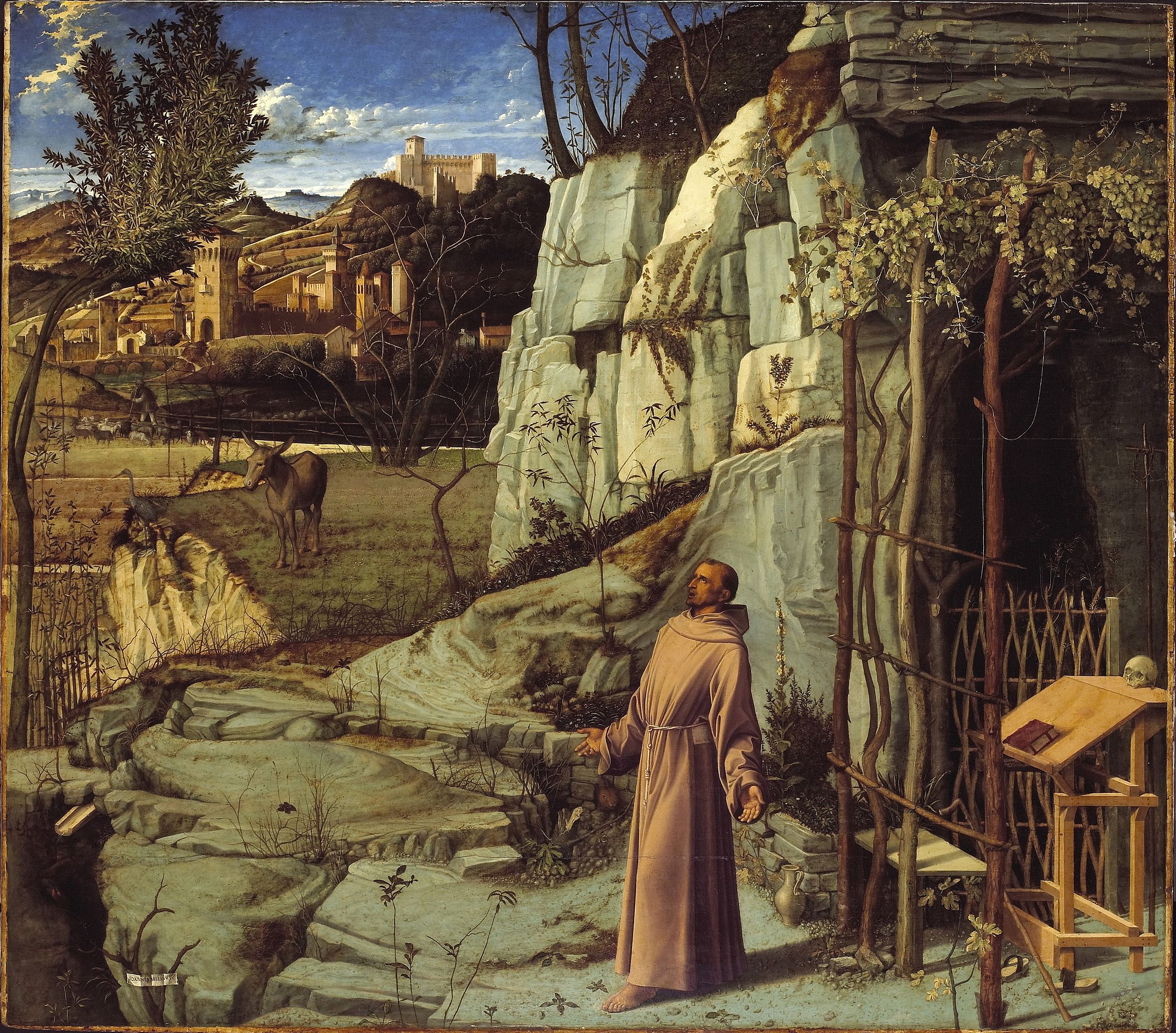
One of Giovanni Bellini’s masterpieces, The Ecstasy of St. Francis, depicts St. Francis in communion with God in nature. This work beautifully encapsulates Bellini’s artistic vision and religious fervor. At the center of the painting, St. Francis stands in a devout posture with his arms outstretched toward the sky, while the surrounding natural environment harmoniously blends with the scene. Bellini did not treat nature as a mere backdrop but used it as an element that reflects the emotions and spiritual state of the figure. St. Francis is portrayed experiencing awe and deep spiritual communion with God in nature. This scene goes beyond simple religious expression, demonstrating Bellini’s profound understanding of the relationship between humanity, nature, and God.
One of the most remarkable aspects of this piece is Bellini’s delicate use of light and color. He emphasizes St. Francis’s divine experience through the soft light that illuminates him, while the surrounding landscape, rendered in natural colors, harmonizes seamlessly with the figure. The balance of color and light in this work shows how intricately Bellini expressed the connection between nature and humanity. Additionally, the painting is recognized for pioneering a distinctive approach to religious subjects, setting it apart from how other contemporary artists handled such themes. The Ecstasy of St. Francis is a quintessential example of Bellini’s artistic depth and his precision in expression.
The Madonna of the Pesaro Family is another celebrated masterpiece by Giovanni Bellini, regarded as one of his finest religious works from his later period. Commissioned by the Pesaro family, the painting depicts the Madonna and Child alongside the patrons of the Pesaro family. This work is notable for its original composition, blending sacred figures with real-life individuals. The Madonna is portrayed with a serene and dignified presence, holding the infant Christ, while the surrounding figures are depicted in poses of worship. The inclusion of the patrons within a religious scene makes this work unique, as it merges secular and sacred elements.
In The Madonna of the Pesaro Family, Bellini highlights the divine nature of the Virgin Mary through her graceful posture and detailed depiction. The soft light falling on her garments and the rich color palette exemplify Bellini’s keen sense of color. Through his use of light and shadow, he brings out the emotions and situations of the figures more vividly, adding depth and dimension to the composition. This painting demonstrates Bellini’s innovative use of color and space, marking a new level of mastery in his later career.
주요 작품: 성 프란체스코의 황홀경, 페자로의 성모
조반니 벨리니의 대표작 중 하나인 “성 프란체스코의 황홀경(The Ecstasy of St. Francis)”는 성 프란체스코가 자연 속에서 신과 교감하는 장면을 그린 작품으로, 그의 예술적 비전과 종교적 열망을 잘 담아낸 걸작이다. 이 작품은 성 프란체스코가 하늘을 향해 팔을 벌리며 경건한 자세로 서 있는 모습을 중심으로, 자연환경이 조화롭게 어우러져 있다. 벨리니는 자연을 단순한 배경으로 그리지 않고, 인물의 감정과 정신적 상태를 반영하는 요소로 사용하였다. 성 프란체스코는 자연 속에서 경외감을 느끼며, 신과의 깊은 교감을 체험하고 있는 것으로 묘사된다. 이러한 장면은 단순한 종교적 표현을 넘어, 인간과 자연, 그리고 신의 관계에 대한 벨리니의 깊은 이해를 보여준다.
특히 이 작품에서 주목할 만한 점은 빛과 색채의 미묘한 사용이다. 벨리니는 성 프란체스코에게 드리워지는 부드러운 빛을 통해 그의 신성한 경험을 강조하였으며, 주변 풍경은 자연스러운 색채로 그려져 인물과 조화롭게 어우러져 있다. 이 작품에서 볼 수 있는 색채와 빛의 조화는 벨리니가 얼마나 섬세하게 자연과 인간의 관계를 표현했는지 보여준다. 또한 이 그림은 당대 다른 화가들이 종교적 주제를 다루는 방식과는 차별화된, 독창적인 접근 방식을 통해 종교화의 새로운 경지를 개척한 작품으로 평가받는다. 벨리니의 “성 프란체스코의 황홀경”은 그의 예술적 깊이와 표현의 정교함을 잘 보여주는 대표작 중 하나이다.
“페자로의 성모(Madonna of the Pesaro Family)”는 조반니 벨리니의 대표적인 걸작 중 하나로, 그의 후기 작품 중에서 뛰어난 종교화로 꼽힌다. 이 작품은 페사로 가문의 의뢰로 제작된 것으로, 성모 마리아와 아기 예수뿐만 아니라 페사로 가문의 후원자들이 함께 그려져 있다. 이 작품은 종교적 장면 속에서 현실적 인물들을 함께 배치한 벨리니의 독창적인 구성 방식이 돋보이는 작품이다. 성모는 경건하고 위엄 있는 모습으로 아기 예수를 안고 있으며, 주변의 인물들은 경배하는 자세로 그려져 있다. 이 그림은 당시의 후원자들을 포함시켜 세속적 요소와 종교적 요소를 결합한 점에서 독특하다.
벨리니는 “페자로의 성모”에서 성모 마리아의 우아한 자세와 세부적인 묘사를 통해 그녀의 신성함을 강조하였다. 특히 성모의 옷에 드리워진 부드러운 빛과 풍부한 색채는 벨리니 특유의 색채 감각을 보여준다. 그는 색과 명암을 통해 인물들의 감정과 상황을 더욱 선명하게 표현하였으며, 공간을 활용하여 작품에 깊이와 차원을 더했다. 벨리니의 이 작품은 그가 후기에서 색채와 공간의 활용에 있어서도 새로운 경지를 개척했음을 보여주는 예이다.


The Interaction Between Nature and Figures
Another important work by Giovanni Bellini, The Baptism of Christ, highlights his artistic vision of harmony between nature and the human figure. In this painting, Bellini uses the natural landscape to underscore the divinity of Christ as he receives baptism. The central scene of Christ’s baptism is carefully arranged, with light descending from the heavens to symbolize Christ’s divine nature. The surrounding landscape is depicted in a calm and tranquil manner, further enhancing the solemnity and serenity of Christ’s figure.
What stands out in this piece is the close connection between the figures and nature. Bellini does not use nature merely as a background, but as a tool to emphasize the emotional and spiritual states of the figures. He skillfully employs light and shadow to unify Christ’s face with the surrounding environment, simultaneously reinforcing the mystery and sanctity of the moment. The Baptism of Christ is regarded as a work in which Bellini assigns deep symbolic meaning to the natural world, showing that nature is not just a subject of depiction, but a reflection of divine and human harmony.
자연과 인물의 상호작용
조반니 벨리니의 또 다른 중요한 작품인 “예수의 세례(Baptism of Christ)”는 자연과 인물이 조화롭게 어우러진 벨리니의 예술적 비전을 잘 보여준다. 이 작품에서 그는 세례를 받는 예수의 신성함을 강조하기 위해 자연을 배경으로 삼았으며, 인물과 자연 사이의 관계를 섬세하게 표현하였다. 예수가 세례를 받는 장면은 중앙에 배치되었으며, 하늘에서 내려오는 빛은 예수의 신성을 상징하는 중요한 요소로 등장한다. 주변의 자연은 조용하고 고요하게 묘사되었으며, 이는 예수의 경건함과 침착함을 더욱 부각한다.
특히 이 작품에서 주목할 점은 인물과 자연이 서로 밀접하게 연결되어 있다는 것이다. 벨리니는 자연을 단순한 배경으로 사용하는 것이 아니라, 인물의 감정적, 영적 상태를 더욱 강조하기 위한 도구로 활용하였다. 그는 빛과 그림자를 섬세하게 사용하여 예수의 얼굴과 주변의 자연을 하나로 묶는 동시에, 성스러운 순간의 신비로움을 더욱 강화하였다. “예수의 세례”는 벨리니가 자연을 단순한 묘사 대상으로 그리는 것이 아니라, 신성함과 인간성의 조화를 통해 깊은 상징적 의미를 부여한 작품으로 평가받는다.


Influence on the Venetian School
Giovanni Bellini is credited as the founder of the Venetian school of painting and is considered its leading figure in its development. Through his use of color and light, Bellini brought a new dimension to Venetian painting, and these techniques significantly influenced later artists. Notably, his student Titian inherited and expanded upon Bellini’s color techniques, helping Venetian painting gain recognition throughout Italy. While developing his unique style, Bellini also put great effort into passing on his techniques to future generations. His influence extended beyond Venice to all of Italy, as his students further innovated on the foundation Bellini had laid.
Through his works, Giovanni Bellini pioneered techniques for expressing emotions and enriching human figures with color and light, which later influenced Baroque art. While at the heart of the Venetian school, Bellini also absorbed the artistic trends across Europe, reinterpreting them into his distinctive style. This ability to fuse different artistic influences ensured that Bellini was not just a regional painter but a major figure in Renaissance art. His contributions went far beyond his lifetime, impacting art for centuries to come.
베네치아 화파에 미친 영향
조반니 벨리니는 베네치아 화파의 창시자이자 그 발전의 주역으로 평가받는다. 그는 색채와 빛의 사용을 통해 베네치아 회화에 새로운 차원을 더했으며, 이러한 기법은 후대 화가들에게도 큰 영향을 주었다. 특히 그의 제자였던 티치아노(Titian)는 벨리니의 색채 사용 기법을 계승하고 발전시켜, 이후 베네치아 회화를 이탈리아 전역에서 중요한 화파로 자리 잡게 만들었다. 벨리니는 자신만의 독창적인 화법을 발전시키면서도, 후대 화가들에게 그 기법을 전수하는 데에도 많은 노력을 기울였다. 그의 영향력은 베네치아를 넘어 이탈리아 전역에 걸쳐 확산되었으며, 그의 제자들은 벨리니의 기법을 기반으로 새로운 예술적 혁신을 이루었다.
조반니 벨리니는 그의 작품을 통해 색채와 빛, 그리고 인물의 감정을 더욱 풍부하게 표현하는 기법을 창출해 냈으며, 이는 이후 바로크 미술에까지 영향을 미치게 된다. 그는 베네치아 화파의 중심에서 활동하면서도 당대 유럽 전역의 예술적 흐름을 수용하고, 이를 자신만의 스타일로 재해석하였다. 그의 이러한 예술적 융합 능력은 그가 단순한 지역 화가로 머무르지 않고, 르네상스 미술의 중요한 인물로 자리 잡게 만든 중요한 요소였다. 벨리니의 예술적 기여는 단순히 그가 살던 시기에 그치지 않고, 후대에까지도 큰 영향을 미쳤다.


Lesser-Known Rumors: A Romantic Scandal
Although Giovanni Bellini is known to have lived a relatively quiet life, certain rumors and anecdotes have been passed down about him. Due to the lack of records about his private life, some of these stories may have been exaggerated or fabricated over time. One such tale involves a romantic relationship with a noblewoman in Venice during his youth. According to this rumor, Bellini is said to have used this woman as a model for the Virgin Mary’s face in several of his paintings. The highly detailed and emotionally expressive faces in his Madonna paintings are often cited as supporting this story.
However, these tales lack official records or historical evidence and are primarily regarded as interesting anecdotes. Art historians have speculated that Bellini might have had a specific individual in mind when painting his Madonnas, but no concrete proof exists. Nevertheless, such stories provide a fascinating lens through which to view Bellini’s work, suggesting that his artistic expressions could be connected to personal experiences or emotions. Although there is limited information about Bellini’s private life, these rumors add an element of intrigue to his creative process.
잘 알려지지 않은 소문: 로맨틱한 스캔들
조반니 벨리니는 비교적 조용한 삶을 살았다고 알려져 있으나, 그에 대한 소문과 일화들이 전해지기도 한다. 특히 그의 사생활에 대한 기록이 거의 남아있지 않은 만큼, 몇몇 일화는 후대에 전해지면서 과장되거나 꾸며진 것일 가능성도 있다. 그중 하나는 그가 젊은 시절 베네치아의 한 귀족 여성과의 로맨틱한 관계에 얽힌 이야기이다. 이 소문에 따르면, 벨리니는 그 여성과의 관계를 기반으로 몇몇 작품에서 그녀의 얼굴을 성모의 얼굴로 묘사했다고 전해진다. 특히 그의 성모자상에서 성모의 얼굴이 매우 세밀하고 감정적으로 표현되어 있는 점은 이 소문을 뒷받침하는 요소로 언급되기도 한다.
하지만 이러한 이야기는 공식적인 기록이나 역사적 증거로 뒷받침되지 않으며, 단지 흥미로운 일화로 전해지는 부분이 많다. 미술사학자들은 벨리니가 성모자상을 그릴 때 인물의 모델로 특정 인물을 염두에 두었을 가능성에 대해서도 논의하고 있지만, 확실한 근거는 아직까지 없다. 다만 이러한 소문은 벨리니의 작품이 단순히 종교적인 표현을 넘어, 그의 개인적인 경험이나 감정과도 연결되어 있을 수 있음을 암시하는 흥미로운 관점으로 받아들여질 수 있다. 조반니 벨리니의 개인적인 삶에 대한 자료는 제한적이지만, 이러한 소문들은 그의 예술적 창작 과정에 대한 상상력을 자극하는 요소로 남아 있다.


The Artistic Legacy and Influence of Giovanni Bellini
Giovanni Bellini stands as a pioneering figure of the Venetian school, holding an important place in Italian Renaissance art. His works, which often centered on religious themes, emphasized the harmony between human emotions and nature, inspiring countless artists in later generations. Bellini’s use of color and light is particularly lauded for bringing new depth to the techniques of painting at the time. He succeeded in maintaining religious symbolism while deeply expressing human emotions and feelings, which influenced subsequent artists who sought to emulate and build upon Bellini’s methods. His paintings transcend mere religious representation, delving into the exploration of relationships between humanity, nature, and the divine.
His students, such as Titian and Giorgione, further developed Venetian painting based on Bellini’s techniques. Titian, in particular, inherited Bellini’s approach to color and light, evolving it into a more daring and dynamic style. Giovanni Bellini’s artistic legacy extends beyond his own works, influencing art history well into the Baroque and Romantic periods. Working from the center of Venice, Bellini became a highly respected artist throughout Italy, and his paintings continue to inspire audiences today.
조반니 벨리니의 예술적 유산과 영향력
조반니 벨리니는 베네치아 화파의 선구자로서, 이탈리아 르네상스 미술에서 중요한 위치를 차지한다. 그의 작품은 종교적 주제를 다루면서도 인간의 감정과 자연의 조화를 강조하며, 이는 후대 화가들에게 큰 영감을 주었다. 특히 그의 색채와 빛의 사용은 당시 회화 기법에 새로운 차원을 더한 혁신적인 기법으로 평가받는다. 그는 종교적 상징성을 유지하면서도 인간의 감정과 정서를 깊이 있게 표현하는 데 성공했으며, 이는 후대 화가들이 벨리니의 작품을 모방하고 발전시키는 중요한 요소로 작용했다. 벨리니의 작품은 단순한 종교화 이상의 의미를 지니며, 인간과 자연, 그리고 신의 관계를 깊이 있게 탐구한 작품들로 평가된다.
그의 제자였던 티치아노와 조르조네(Giorgione)는 벨리니의 기법을 이어받아, 베네치아 회화를 더욱 발전시켰다. 특히 티치아노는 벨리니의 색채와 빛의 표현 기법을 계승하면서도, 이를 더욱 과감하고 생동감 있게 발전시켰다. 조반니 벨리니의 예술적 유산은 단순히 그의 작품에 그치지 않고, 후대의 미술사에까지 큰 영향을 미쳤으며, 그의 기법은 바로크 미술과 낭만주의 미술에까지 이어졌다. 벨리니는 베네치아를 중심으로 활동하면서도 이탈리아 전역에서 인정받는 예술가로, 그의 작품은 오늘날에도 여전히 많은 사람들에게 영감을 주고 있다.


Keywords: Giovanni Bellini, Venetian School, The Ecstasy of St. Francis, Renaissance art, Bellini masterpieces, Bellini’s color use, oil painting
키워드: 조반니 벨리니, Giovanni Bellini, 베네치아 화파, 성 프란체스코의 황홀경, 르네상스 미술, 벨리니 대표작, 벨리니 색채, 기름 물감
References:
- Italian Renaissance Art, Laurie Schneider Adams, 2013
- “Giovanni Bellini: His Life and Works”, Hugh Belsey, The Art Bulletin, 1999
- “Giovanni Bellini and the Art of Devotion”, Patricia Fortini Brown, Artibus et Historiae, 1985
Leave a Reply