

Marcel Duchamp: Pioneer of Innovation and Rebellion
Marcel Duchamp (July 28, 1887 – October 2, 1968) was a French-born artist who fundamentally redefined the direction of 20th-century modern art through his innovative approach. He challenged traditional art forms and concepts, significantly influencing the Dada and Surrealist movements. Notably, as a forerunner of conceptual art, Duchamp played a central role in expanding the boundaries of art, and his artistic experiments and philosophy continue to inspire various fields of contemporary art. Based on his belief that art should transcend mere visual expression and venture into conceptual and philosophical realms, Duchamp posed fundamental questions about the essence and definition of art. His works and ideas have influenced countless artists and theorists, making a crucial contribution to the development of modern art.
마르셀 뒤샹: 혁신과 반항의 선구자
마르셀 뒤샹(Marcel Duchamp, 1887년 7월 28일 – 1968년 10월 2일)은 프랑스 태생의 예술가로서, 20세기 현대 미술의 방향을 근본적으로 재정의한 혁신적인 인물이다. 그는 전통적인 예술 형식과 관념에 도전하며, 다다(Dada) 운동과 초현실주의(Surrealism) 운동에 지대한 영향을 미쳤다. 특히, 개념 미술의 선구자로서 예술의 경계를 확장하는 데 중추적인 역할을 하였으며, 그의 예술적 실험과 철학은 현대 미술의 다양한 분야에 지속적인 영감을 제공하고 있다. 뒤샹은 예술이 단순한 시각적 표현을 넘어 개념적이고 철학적인 영역으로 나아가야 한다는 신념을 바탕으로, 예술의 본질과 정의에 대한 근본적인 질문을 제기하였다. 그의 작품과 사상은 이후 수많은 예술가와 이론가들에게 영향을 미치며, 현대 미술의 발전에 중요한 기여를 하였다.


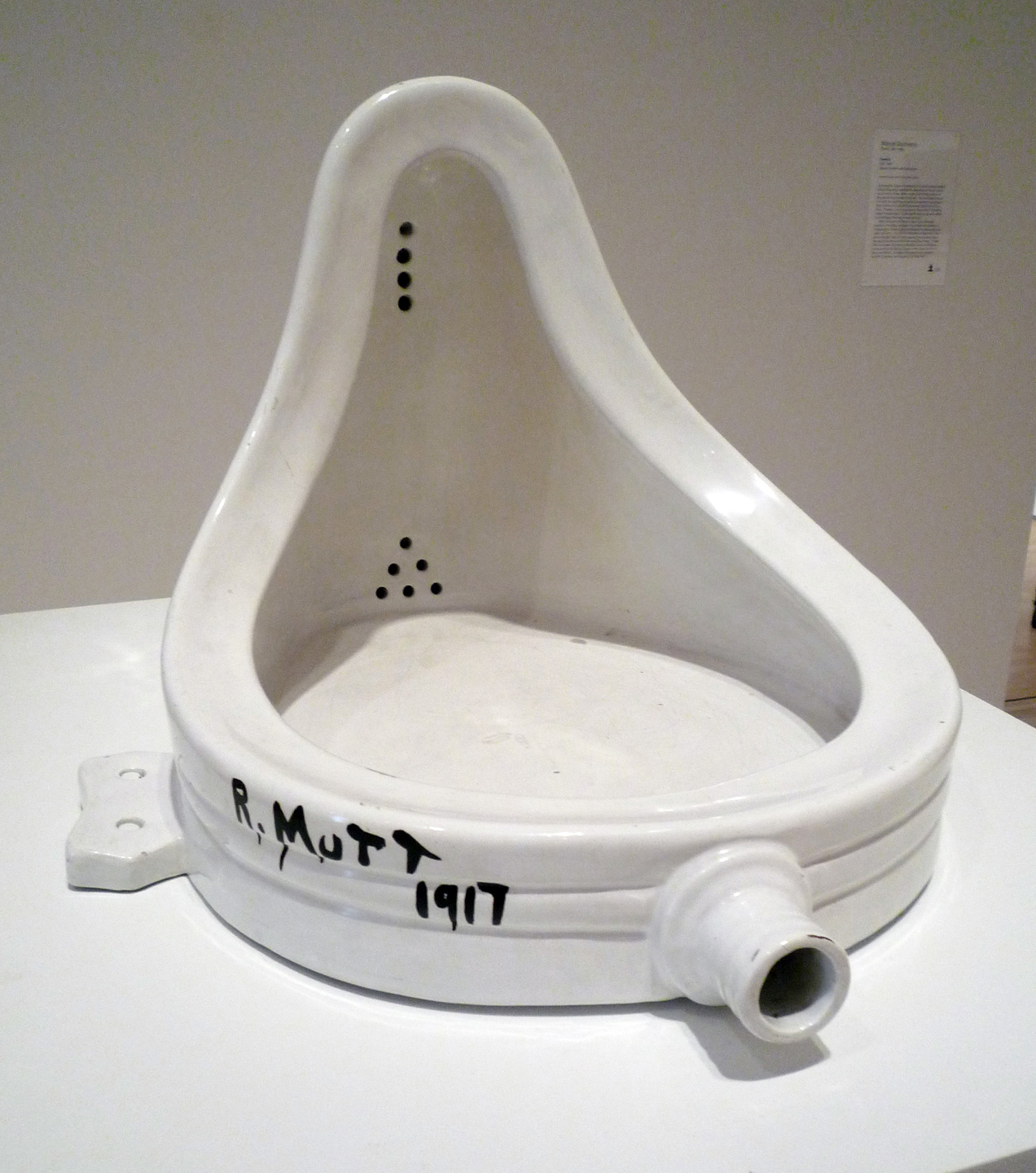
The Birth of Readymade: “Fountain”
One of Marcel Duchamp’s most iconic works, “Fountain” (1917), is regarded as a revolutionary piece in the history of modern art. By naming a simple porcelain urinal “Fountain,” Duchamp transformed an everyday object into a work of art, epitomizing the readymade concept. “Fountain” is interpreted as a challenge to existing artistic traditions and aesthetic standards, posing fundamental questions about the definition of art and the role of the artist. Although the piece caused a significant shock in the art world and was rejected by the Society of Independent Artists in New York, this rejection ironically opened up new possibilities for modern art. “Fountain” symbolically represents Duchamp’s philosophy that the context of art and the viewer’s interpretation determine the value of a work, laying the foundation for contemporary art that emphasizes the conceptual aspects of art. Additionally, the piece sparked discussions about the democratization of art and the role of the artist, significantly influencing the spread of the readymade concept into various art forms.
레디메이드의 탄생: “분수(Fountain)”
마르셀 뒤샹의 대표작 중 하나인 “분수(Fountain)”(1917)는 현대 예술사에서 혁명적인 작품으로 평가받는다. 이 작품은 단순한 도자기 소변기를 뒤샹이 ‘분수’라는 명칭으로 명명함으로써, 일상적인 물건을 예술 작품으로 전환시킨 레디메이드의 대표적인 예이다. “분수”는 기존의 예술적 전통과 미적 기준에 대한 도전으로 해석되며, 예술의 정의와 예술가의 역할에 대한 근본적인 질문을 제기하였다. 당시 예술계에 큰 충격을 준 이 작품은 뉴욕의 독립 예술가 협회(Society of Independent Artists)에 제출되었으나 거부되었다. 이는 오히려 현대 예술의 새로운 가능성을 열어주는 계기가 되었다. “분수”는 예술의 맥락과 관객의 해석이 작품의 가치를 결정짓는다는 뒤샹의 철학을 상징적으로 나타내며, 예술의 개념적 측면을 강조하는 현대 미술의 기초를 마련하였다. 또한, 이 작품은 미술계 내에서 예술의 대중화와 예술가의 역할에 대한 논의를 촉발시켰으며, 레디메이드 개념이 이후 다양한 예술 형식으로 확산되는 데 중요한 영향을 미쳤다.

The Fusion of Art and Humor: “L.H.O.O.Q.”
“L.H.O.O.Q.” is a work created by Duchamp in 1919, featuring a humorous parody of Leonardo da Vinci’s masterpiece “Mona Lisa” by adding a mustache and goatee. This piece combines art and humor to critically reinterpret the symbolism and authority of classical art, serving as a representative readymade. “L.H.O.O.Q.” carries the meaning “She has a hot ass,” subverting the seriousness and nobility of art with humor and emphasizing the diversity of audience expectations and interpretations of art. Furthermore, “L.H.O.O.Q.” exemplifies Duchamp’s originality and rebellious nature as an artist, highlighting the importance of parody and irony in contemporary art. The work also ignited discussions about the authenticity and reproducibility of art pieces, presenting a critical view of the commercialization and authenticity of art.
예술과 유머의 결합: “L.H.O.O.Q.”
“L.H.O.O.Q.”는 뒤샹이 1919년에 제작한 작품으로, 레오나르도 다 빈치의 명작 “모나리자”에 수염과 콧수염을 추가한 유머러스한 패러디 작품이다. 이 작품은 예술과 유머를 결합하여, 고전 미술의 상징성과 권위를 비판적으로 재해석한 대표적인 레디메이드이다. “L.H.O.O.Q.”는 “그 여자의 엉덩이는 뜨겁다”는 의미를 내포하고 있다. 이 작품은 예술의 진지함과 고결함을 유머로 전복시키며, 예술 작품에 대한 관객의 기대와 해석의 다양성을 강조하였다. 또한, “L.H.O.O.Q.”는 예술가로서 뒤샹의 독창성과 반항적인 성향을 잘 보여주는 작품으로, 현대 미술에서 패러디와 아이러니의 중요성을 부각하는 데 기여하였다. 이 작품은 또한 예술 작품의 원본성과 복제성에 대한 논의를 촉발시켰으며, 예술의 상업화와 진정성에 대한 비판적 시각을 제시하였다.


The Complex Glass Work: “The Bride Stripped Bare by Her Bachelors, Even (The Large Glass)”
“The Bride Stripped Bare by Her Bachelors, Even”, commonly known as “The Large Glass,” is one of Duchamp’s most ambitious artistic endeavors. Created between 1915 and 1923, this mixed-media work comprises glass, mechanical parts, wax, and various other materials. “The Large Glass” attempts to convey a complex symbolic narrative through human desire, interaction, and mechanical elements, resulting from the combination of Duchamp’s philosophical contemplation and technical innovation. The piece consists of various components placed between two glass panes, visually representing the interaction between the human inner world and the mechanical realm. “The Large Glass” invites viewers to explore the boundaries between art, philosophy, and science, occupying a significant position in contemporary art. The work also demonstrates the complexity of Duchamp’s working methods and artistic vision, deeply influencing his artistic legacy. As a philosophical narrative in itself, “The Large Glass” features a multi-layered structure that allows for diverse interpretations, making it a continuous subject of study among art historians.
복잡한 유리 작품: “심지어, 자신의 구혼자들에 의해 발가벗겨진 신부(The Bride Stripped Bare by Her Bachelors, Even) (The Large Glass)”
“심지어, 자신의 구혼자들에 의해 발가벗겨진 신부(The Bride Stripped Bare by Her Bachelors, Even)”, 흔히 “큰 유리(The Large Glass)”로 알려진 이 작품은 뒤샹의 가장 야심 찬 예술적 시도 중 하나이다. 1915년부터 1923년까지 제작된 이 복합 매체 작품은 유리, 기계 부품, 왁스 등 다양한 재료를 사용하여 구성되었다. “대 유리”는 인간의 욕망과 상호작용, 그리고 기계적인 요소들을 통해 복잡한 상징적 이야기를 전달하려는 시도로, 뒤샹의 철학적 사유와 기술적 혁신이 결합된 결과물이다. 작품은 두 개의 유리판 사이에 배치된 다양한 구성 요소들로 이루어져 있으며, 이를 통해 인간의 내면과 기계적 세계의 상호작용을 시각적으로 구현하고자 하였다. “대 유리”는 관객으로 하여금 예술과 철학, 과학 사이의 경계를 탐구하게 만들며, 현대 미술에서 중요한 위치를 차지하고 있다. 이 작품은 또한 뒤샹의 작업 방식과 예술적 비전의 복잡성을 잘 보여주며, 그의 예술적 유산에 깊은 영향을 미쳤다. “대 유리”는 그 자체로 하나의 철학적 서사이며, 다양한 해석을 가능하게 하는 다층적인 구조를 지니고 있어, 예술사 연구자들 사이에서 지속적인 연구 대상이 되고 있다.

Art in Everyday Life: “Bicycle Wheel”
“Bicycle Wheel” is one of Marcel Duchamp’s early readymade works created in 1913, praised as an attempt to blur the boundaries between art and everyday life. The piece combines an actual bicycle wheel with a bicycle saddle, conveying Duchamp’s message that art does not have to be confined to traditional media or techniques. Considered the origin of the readymade concept, “Bicycle Wheel” inspired various attempts to reinterpret objects in contemporary art. By elevating a simple bicycle component to the status of an art piece, it encourages viewers to discover new meanings and possibilities in everyday objects. Additionally, “Bicycle Wheel” aptly represents Duchamp’s philosophy that an artist’s creativity and conceptual thinking determine the value of an art piece, contributing to the emphasis on concepts and forms in contemporary art. The work significantly influenced subsequent art movements, particularly conceptual art and postmodernism, fostering discussions about the definition and scope of art. “Bicycle Wheel” reflects an innovative attempt to blur the lines between art and everyday life, embodying the key modern art ideals of democratizing and making art accessible.
일상 속의 예술: “자전거 바퀴(Bicycle Wheel)”
“자전거 바퀴(Bicycle Wheel)”는 마르셀 뒤샹이 1913년에 만든 초기 레디메이드 작품 중 하나로, 예술과 일상의 경계를 허무는 시도로 평가받는다. 이 작품은 실제 자전거 바퀴와 자전거 안장을 조합하여 구성되었으며, 뒤샹은 이를 통해 예술이 반드시 전통적인 매체나 기법에 국한되지 않는다는 메시지를 전달하고자 했다. “자전거 바퀴”는 레디메이드 개념의 시초로 간주되며, 현대 예술에서 오브제를 재해석하는 다양한 시도에 영감을 주었다. 이 작품은 단순한 자전거 부품을 예술 작품으로 승격시키며, 관객으로 하여금 일상적인 물건의 새로운 의미와 가능성을 발견하게 한다. 또한, “자전거 바퀴”는 예술가의 창의성과 개념적 사고가 예술 작품의 가치를 결정짓는다는 뒤샹의 철학을 잘 나타내며, 현대 미술에서 개념과 형태의 중요성을 강조하는 데 기여하였다. 이 작품은 이후 다양한 예술 운동, 특히 개념 미술과 포스트모더니즘에 큰 영향을 미쳤으며, 예술의 정의와 범위에 대한 논의를 촉진시켰다. “자전거 바퀴”는 예술과 일상의 경계를 허무는 혁신적인 시도로, 예술의 민주화와 접근성을 강조하는 현대 미술의 중요한 이념을 반영하고 있다.

Artistic Philosophy: The Importance of Context and Interpretation
Marcel Duchamp possessed a strong will to redefine the essence of art. He argued that a work of art is not merely created by an artist’s creativity but that its value and meaning are determined by the context in which it is placed and the viewer’s interpretation. This philosophy emphasizes the subjectivity and passivity of art, as well as the interaction between creation and reception, deeply influencing various modern art forms such as conceptual art and installation art. Duchamp posed fundamental questions about the purpose and definition of art, demonstrating that art extends beyond mere visual expression into philosophical and conceptual realms. His ideas provided a new perspective on the function and role of art, contributing to the dissolution of boundaries between art and everyday life. Furthermore, Duchamp’s philosophical approach recognized the diversity and complexity of art, laying the groundwork for contemporary art that encourages artistic experimentation with various media and forms. He believed that contextual elements of a work and the viewer’s interpretation play crucial roles in shaping the value of art, leading to a contemporary art trend that values audience participation and interaction. Duchamp’s philosophy emphasizes that art does not possess fixed meanings but is a fluid concept that can continuously change and be reinterpreted, fostering profound contemplation on the essence of art.
예술적 철학: 맥락과 해석의 중요성
마르셀 뒤샹은 예술의 본질을 재정의하고자 하는 강한 의지를 지니고 있었다. 그는 예술 작품이 단순히 예술가의 창의성에 의해 만들어지는 것이 아니라, 작품이 놓인 맥락과 관객의 해석에 의해 그 가치와 의미가 결정된다고 주장하였다. 이러한 그의 철학은 예술의 주체성과 수동성, 창작과 수용의 상호작용을 강조하며, 후에 개념 미술과 설치 미술 등 다양한 현대 미술 형식에 깊은 영향을 미쳤다. 뒤샹은 예술의 목적과 정의에 대한 근본적인 질문을 제기하며, 예술이 단순한 시각적 표현을 넘어 철학적이고 개념적인 영역임을 입증하였다. 그의 사상은 예술의 기능과 역할에 대한 새로운 시각을 제공하며, 예술과 일상의 경계를 허무는 데 기여하였다. 또한, 뒤샹의 이러한 철학적 접근은 예술의 다양성과 복잡성을 인정하고, 다양한 매체와 형식의 예술적 실험을 장려하는 현대 미술의 토대를 마련하였다. 그는 예술 작품의 맥락적 요소와 관객의 해석이 예술의 가치를 형성하는 데 중요한 역할을 한다고 보았으며, 이는 현대 예술에서 관객의 참여와 상호작용을 중시하는 경향으로 이어졌다. 뒤샹의 철학은 예술이 고정된 의미를 가지지 않고, 끊임없이 변화하고 재해석될 수 있는 유동적인 개념임을 강조하며, 예술의 본질에 대한 심오한 사유를 촉진하였다.

.jpg)
Personal Life and Migration: From Europe to America
Marcel Duchamp was born in France and built his early artistic career there, but after World War I, he migrated to the United States, shifting the center of his activities. This move to America marked a significant turning point in his artistic career, playing a decisive role in establishing his position as an international artist. In the United States, Duchamp explored various art media and forms, continually striving to expand the boundaries of traditional art. His interactions with the New York art scene enriched his artistic world, particularly through his engagement with American Dada and Surrealist movements, refining his artistic vision. Additionally, his activities in America provided Duchamp with a broader audience and connections to international art networks, further expanding his artistic legacy. Through his work in the United States, Duchamp experienced the globalization and international exchange of art, contributing to the development of modern art. He also acquired new artistic ideas and approaches through collaborations and exchanges with various American artists, which influenced his work in diverse ways. Living and working in America allowed Duchamp to internalize the diversity and international perspectives of art, significantly impacting his artistic philosophy and creative activities.
개인사와 이주: 유럽에서 미국으로
마르셀 뒤샹은 프랑스에서 태어나 초기 예술 경력을 쌓았으나, 제1차 세계 대전 이후 미국으로 이주하여 활동의 중심을 옮겼다. 미국으로의 이주는 그의 예술적 경력에 중요한 전환점을 마련하였으며, 국제적인 예술가로서의 입지를 굳히는 데 결정적인 역할을 했다. 미국에서 뒤샹은 다양한 예술 매체와 형식을 탐구하며, 전통적인 예술의 경계를 지속적으로 확장하려는 노력을 기울였다. 뉴욕의 예술계와의 교류는 그의 작품 세계를 더욱 풍부하게 만들었으며, 특히 미국의 다다와 초현실주의 운동과의 상호작용을 통해 그의 예술적 비전이 더욱 정교해졌다. 또한, 미국에서의 활동은 뒤샹에게 더 넓은 관객층과 국제적인 예술 네트워크와의 연결고리를 제공하였으며, 이는 그의 예술적 유산을 더욱 확장시키는 계기가 되었다. 뒤샹은 미국에서의 활동을 통해 예술의 글로벌화와 국제적 교류의 중요성을 체감하였으며, 이는 현대 미술의 발전에 기여하였다. 그는 또한 미국에서 여러 예술가들과의 협업과 교류를 통해 새로운 예술적 아이디어와 접근 방식을 습득하였으며, 이는 그의 작품에 다채로운 영향을 미쳤다. 미국에서의 생활과 예술 활동은 뒤샹에게 예술의 다양성과 국제적 관점을 체득하게 하였으며, 이는 그의 예술적 철학과 창작 활동에 중요한 영향을 미쳤다.

Lesser-Known Rumors and Mysteries
One lesser-known rumor about Marcel Duchamp is that he was involved in several frauds that cast doubt on the authenticity of his works. Some art historians argue that readymade pieces like “Fountain” were not directly created by Duchamp himself but by his fellow artists or third parties. These claims emphasize Duchamp’s artistic mystery and deliberate ambiguity, suggesting that his works carry conceptual meanings beyond mere objects. Additionally, mysterious events in Duchamp’s personal life have generated much interest in the art world. For example, he used multiple pseudonyms and fictitious personas to present his works, further mystifying his artistic image. These rumors and mysteries continuously spark interest in Duchamp’s works and persona, provoking various interpretations and discussions about his artistic legacy. Furthermore, there are claims that Duchamp intentionally incorporated puzzle-like elements into his works, encouraging viewers to explore the true meaning of his art. This suggests that his art offers not just visual experiences but intellectual challenges, highlighting the multi-layered interpretative possibilities of his works. Duchamp’s actions emphasize his originality and rebellious nature as an artist, explaining why his works consistently generate ongoing debates and interest both within and outside the art community.
잘 알려지지 않은 소문과 미스터리
마르셀 뒤샹에 관한 잘 알려지지 않은 소문 중 하나는 그가 자신의 작품에 대한 진위를 의심하게 만들었던 여러 사기 행위에 연루되었다는 것이다. 일부 예술사 연구자들은 “분수(Fountain)”와 같은 레디메이드 작품들이 실제로 뒤샹이 직접 제작한 것이 아니라, 그의 동료 예술가나 제3자가 제작한 것이라는 주장을 제기하기도 한다. 이러한 주장은 뒤샹의 예술적 신비성과 의도된 애매함을 강조하며, 그의 작품이 단순한 오브제를 넘어서는 개념적 의미를 지니고 있음을 시사한다. 또한, 뒤샹의 사생활에 관한 미스터리한 사건들도 예술계에 많은 화제를 불러일으켰다. 예를 들어, 그는 여러 번의 가명과 가상의 인물을 사용하여 자신의 작품을 발표하였으며, 이는 그의 예술적 이미지를 더욱 신비롭게 만들었다. 이러한 소문과 미스터리는 뒤샹의 작품과 인물에 대한 관심을 지속적으로 불러일으키며, 그의 예술적 유산에 대한 다양한 해석과 논의를 촉발시키고 있다. 또한, 뒤샹이 자신의 작품을 통해 의도적으로 퍼즐 같은 요소를 도입함으로써 관객으로 하여금 작품의 진정한 의미를 탐구하게 하는 전략을 사용했다는 주장도 있다. 이는 그의 예술이 단순히 시각적 경험을 넘어 지적 도전을 제공함을 의미하며, 그의 작품이 가지는 다층적인 해석 가능성을 더욱 부각한다. 뒤샹의 이러한 행보는 예술가로서의 그의 독창성과 반항적인 성향을 강조하며, 그의 작품이 예술계 내외부에서 지속적인 논쟁과 관심을 불러일으키는 이유이기도 하다.

,_Man_Ray,_1920-21,_Belle_Haleine,_Eau_de_Voilette.jpg)
Legacy and Influence on Contemporary Art
Marcel Duchamp’s innovative approach has profoundly influenced the development of modern art. He expanded the conceptual possibilities of art, proving that art extends beyond mere visual expression into conceptual and philosophical realms. Duchamp’s works and ideas continue to inspire artists and theorists today, serving as important reference points across various fields of contemporary art. His readymade concept significantly impacted the reinterpretation of objects and the development of installation art in modern art, contributing to fundamental questions about the definition and purpose of art. Additionally, Duchamp’s artistic philosophy aligns with key modern art ideals that dissolve the boundaries between art and everyday life, emphasizing the democratization and accessibility of art. His legacy is continually reflected in diverse forms and styles of contemporary art, playing a crucial role in exploring the conceptual depth and diversity of art. Duchamp’s influence is prominently seen in several art movements, including Pop Art, Conceptual Art, and Postmodernism, with his innovative ideas providing new creative inspiration for contemporary artists. Moreover, Duchamp’s works are continuously exhibited in museums and galleries, with ongoing efforts to preserve and reexamine his artistic legacy. This legacy encourages profound contemplation on the essence and purpose of art, prompting a reevaluation of art’s impact on society and culture. Duchamp’s works and ideas guide the direction of contemporary art, establishing him as a key figure advocating for artistic freedom and creativity.
유산과 현대 미술에 미친 영향
마르셀 뒤샹의 혁신적인 접근 방식은 현대 미술의 발전에 지대한 영향을 미쳤다. 그는 예술의 개념적 가능성을 확장시키며, 예술이 단순한 시각적 표현을 넘어서는 개념적이고 철학적인 영역임을 입증하였다. 뒤샹의 작품과 사상은 오늘날에도 예술가들과 이론가들에게 지속적인 영감을 제공하고 있으며, 현대 미술의 다양한 분야에서 중요한 참고점으로 남아 있다. 그의 레디메이드 개념은 현대 미술에서 오브제 재해석과 설치 미술의 발전에 큰 영향을 미쳤으며, 예술의 정의와 목적에 대한 근본적인 질문을 제기하는 데 기여하였다. 또한, 뒤샹의 예술적 철학은 예술과 일상의 경계를 허물고, 예술의 민주화와 접근성을 강조하는 현대 미술의 주요 이념과도 일맥상통한다. 그의 유산은 현대 미술의 다양한 형식과 스타일에서 계속해서 반영되고 있으며, 예술의 개념적 깊이와 다양성을 탐구하는 데 중요한 역할을 하고 있다. 뒤샹의 영향력은 팝 아트, 개념 미술, 포스트모더니즘 등 여러 예술 운동에서 두드러지게 나타나며, 그의 혁신적인 아이디어는 현대 예술가들에게 새로운 창작의 영감을 제공하고 있다. 또한, 뒤샹의 작품은 미술관과 갤러리에서 지속적으로 전시되며, 그의 예술적 유산을 보존하고 재조명하는 노력이 계속되고 있다. 이러한 유산은 예술의 본질과 목적에 대한 깊은 사유를 유도하며, 예술이 사회와 문화에 미치는 영향을 재고하게 한다. 뒤샹의 작품과 사상은 현대 미술이 나아갈 방향을 제시하며, 예술의 자유와 창의성을 옹호하는 중요한 이념으로 자리매김하고 있다.


Keywords: Marcel Duchamp, Readymade, Fountain, L.H.O.O.Q., The Bride Stripped Bare by Her Bachelors, Even (The Large Glass), Bicycle Wheel, Dada Movement, Surrealism, Conceptual Art, Modern Art Innovation, Duchamp Legacy, Artistic Philosophy, Art and Humor, Context and Interpretation in Art
키워드: 마르셀 뒤샹, 레디메이드, 분수 Fountain, L.H.O.O.Q., 그녀의 독신자들에 의해 발가벗겨진 신부 The Large Glass, 자전거 바퀴 Bicycle Wheel, 다다 운동, 초현실주의, 개념 미술, 현대 미술 혁신, 뒤샹 유산, 예술 철학, 예술과 유머, 예술의 맥락과 해석
References:
- “Marcel Duchamp: The Essential Reference” – Various art books and academic papers
- The Art Story – Marcel Duchamp – The Art Story Website
- Guggenheim Museum – Marcel Duchamp Collection – Guggenheim Museum
- MoMA (Museum of Modern Art) – Marcel Duchamp Archives – MoMA
- Encyclopaedia Britannica – Marcel Duchamp – Britannica
- “Duchamp: A Biography” by Calvin Tomkins – Detailed biography and analysis of artistic influence
- “The Return of Marcel Duchamp” by Nicholas Baume – In-depth exploration of Duchamp’s works and philosophy
- “Duchamp: The Art of Making Art in the Age of Mechanical Reproduction” by Marta Braun – Duchamp’s artistic innovation and its impact on modern art
Leave a Reply