

Donatello: Pioneer of Italian Renaissance Sculpture
Donatello (1386–1466), whose full name is Donato di Niccolò di Betto Bardi, was one of the most influential sculptors of the early Italian Renaissance. Hailing from Florence, his works are renowned for their realistic depiction and detailed expression of the human body. Donatello broke away from the rigid sculptural style of the Middle Ages, focusing on expressing human emotions and vitality. His innovative approach marked a significant turning point in Renaissance art and set new standards in the art world. He also explored new approaches to human aesthetic expression among contemporary artists and scholars, attempting to fuse art and science.
He strove to reflect human experience and reality more accurately through his art, signifying a shift from the religious-centric art of the time to one that emphasized secular themes and individual emotions. While dealing with religious subjects, Donatello’s works deeply expressed human nature and psychology, aligning with the humanist thought of the Renaissance era. His artistic achievements influenced not only Florence but all of Italy, and his works are still recognized for their artistic value today.
Donatello: 이탈리아 르네상스 조각의 선구자
Donatello(1386년 ~ 1466년)는 이탈리아 르네상스 초기의 가장 영향력 있는 조각가 중 한 명으로, 본명은 Donato di Niccolò di Betto Bardi이다. 그는 피렌체 출신으로, 그의 작품들은 사실적인 묘사와 인체의 세밀한 표현으로 유명하다. Donatello는 중세의 경직된 조각 스타일에서 벗어나 인간의 감정과 생동감을 표현하는 데 주력했다. 그의 혁신적인 접근 방식은 르네상스 미술의 중요한 전환점을 마련했으며, 예술계에 새로운 기준을 제시했다. 또한 그는 당대의 예술가들과 학자들 사이에서 인간의 미적 표현에 대한 새로운 접근 방식을 탐구하며, 예술과 과학의 융합을 시도했다.
그는 예술을 통해 인간의 경험과 현실을 보다 정확하게 반영하고자 노력하였으며, 이는 당시의 종교 중심적인 예술에서 벗어나 세속적인 주제와 개인의 감정을 강조하는 방향으로의 변화를 의미했다. Donatello의 작품은 종교적 주제를 다루면서도 인간의 본질과 심리를 깊이 있게 표현하였고, 이는 르네상스 시대의 인간주의 사상과 맥을 같이한다. 그의 예술적 업적은 피렌체뿐만 아니라 이탈리아 전역에 영향을 미쳤으며, 그의 작품들은 오늘날에도 예술적 가치를 인정받고 있다.


Early Life and Career Beginnings
Donatello was born into a relatively ordinary family in Florence but displayed exceptional talent in art from a young age. He became interested in metalworking, which greatly influenced his sculptural techniques. In his youth, he worked alongside the great masters of the time, Lorenzo Ghiberti and Filippo Brunelleschi, learning much from them. He honed his skills by participating in Ghiberti’s work on the “Gates of Paradise” of the Florence Baptistery. During this period, Donatello developed a deep interest in human anatomy, pursuing realistic human expression based on it.
He also traveled to Rome to observe ancient ruins and sculptures firsthand, deepening his understanding of classical art. This experience played a significant role in adding classical elements to his works. Donatello worked with various patrons across Italy, developing his skills and style. He was interested not only in sculpture but also in architecture and painting, resulting in his works reflecting various artistic elements. His early works already displayed originality and technical perfection, indicating that his talent was recognized early on.
초기 생애와 경력 시작
Donatello는 피렌체에서 비교적 평범한 가정에서 태어났지만, 어린 시절부터 예술에 대한 탁월한 재능을 보였다. 그는 금속 세공에 관심을 갖게 되었고, 이는 그의 조각 기법에 큰 영향을 미쳤다. 젊은 시절에는 당시의 거장인 Lorenzo Ghiberti와 Filippo Brunelleschi와 함께 작업하며 많은 것을 배웠다. 특히 Ghiberti가 피렌체 세례당의 ‘천국의 문’을 제작할 때 그의 작업에 참여하여 기술을 연마했다. 이 시기에 Donatello는 인체 해부학에 대한 깊은 관심을 갖게 되어, 이를 바탕으로 한 사실적인 인체 표현을 추구하게 되었다.
그는 또한 로마로 여행을 떠나 고대 유적과 조각을 직접 관찰하며 고전 예술에 대한 이해를 깊게 했다. 이 경험은 그의 작품에 고전적인 요소를 더하는 데 큰 역할을 했다. Donatello는 이탈리아 각지에서 다양한 후원자들과 함께 일하며 자신의 기술과 스타일을 발전시켰다. 그는 조각뿐만 아니라 건축과 회화에도 관심을 가졌으며, 이는 그의 작품에 다양한 예술적 요소가 반영되는 결과를 가져왔다. 그의 초기 작품들은 이미 독창성과 기술적인 완성도를 보여주었으며, 이는 그가 일찍부터 재능을 인정받았음을 의미한다.


Fusion of Realism and Classicism
Donatello’s sculptures are characterized by the fusion of Renaissance humanism and classical ideal beauty. While inspired by Greek and Roman classical sculptures, he did not stop at mere imitation but reinterpreted them in a modern way. His works expressed the emotions and inner self of figures through realistic human proportions and dynamic poses. One of his representative works, “David,” is a piece where ideal beauty of antiquity and realistic depiction are combined. Made of bronze, this work is also known as the first free-standing nude sculpture of the Renaissance. In this piece, Donatello subtly expressed David’s youthful innocence and simultaneous joy of victory.
He pursued anatomical accuracy of the human body while emphasizing the individuality and emotions of the figures. His works focused on highlighting the realistic aspects of humans while dealing with religious subjects, which was received as an innovative attempt in the art of the time. Donatello added vitality to his works by utilizing light and shadow, leading to the introduction of painterly elements into sculpture. His realistic approach became an important feature of Renaissance art thereafter.
사실주의와 고전주의의 융합
Donatello의 조각은 르네상스 인간주의와 고전적 이상미를 융합한 것이 특징이다. 그는 그리스와 로마의 고전 조각에서 영감을 받았지만, 단순한 모방에 그치지 않고 이를 현대적으로 재해석하였다. 그의 작품은 사실적인 인체 비례와 역동적인 포즈를 통해 인물의 감정과 내면을 표현했다. 대표작 중 하나인 “다윗(David)”은 고대의 이상적인 미와 사실적인 묘사가 결합된 작품으로, 청동으로 만들어진 이 작품은 르네상스 최초의 자립형 누드 조각으로도 알려져 있다. 이 작품에서 Donatello는 다윗의 청소년적인 순수함과 동시에 승리의 기쁨을 미묘하게 표현하였다.
또한 그는 인체의 해부학적 정확성을 추구하면서도 인물의 개성과 감정을 강조하였다. 그의 작품들은 종교적 주제를 다루면서도 인간의 현실적인 면모를 부각하는 데 주력했으며, 이는 당시의 예술에서 혁신적인 시도로 받아들여졌다. Donatello는 빛과 그림자를 활용하여 작품에 생동감을 더했고, 이는 조각에 회화적인 요소를 도입하는 결과를 가져왔다. 그의 사실주의적인 접근은 이후 르네상스 예술의 중요한 특징으로 자리 잡았다.


Major Works
One of Donatello’s representative works is the equestrian statue “Gattamelata.” Created to commemorate Erasmo da Narni, a condottiero of Venice, this work was one of the first monuments erected before commemorative sculptures became common in Florence. This piece is the first instance since the Middle Ages where a human was placed at the center of a sculpture, showcasing a new form of art that commemorated individual achievements. The balanced harmony between the horse and rider demonstrates his outstanding sculptural skills. Additionally, “Magdalene Penitent,” which realistically portrays an elderly Mary Magdalene, shows his originality and deep understanding of the human inner self. In this work, he dramatically captured the emotions of suffering and salvation.
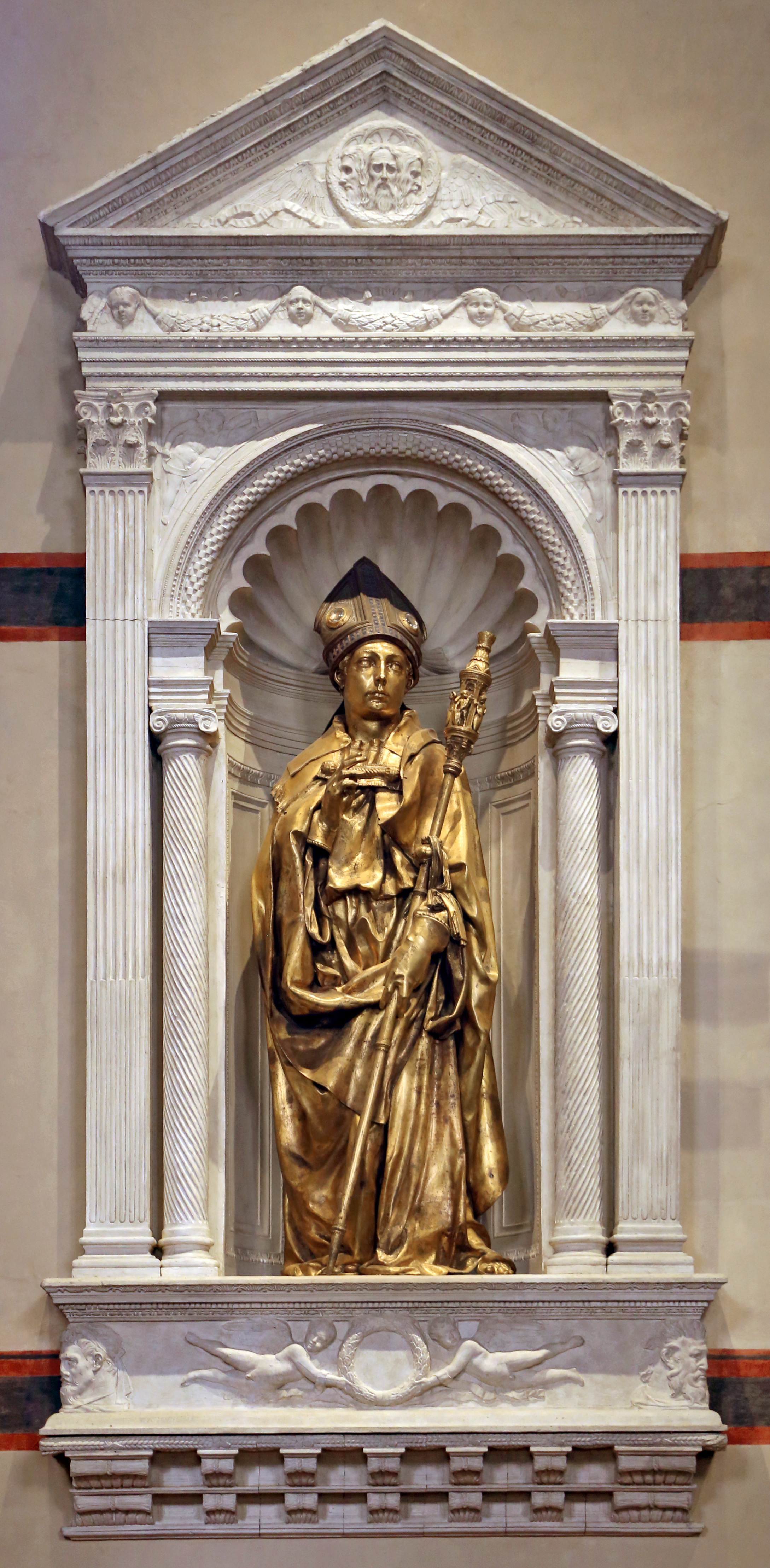
His other major works include “St. Louis of Toulouse” at the Basilica of Santa Croce in Florence, the “Crucifix” at the Florence Cathedral, and the “Bronze Altar” at the Basilica of Saint Anthony of Padua. These works showcase his diverse styles and techniques, embodying human emotions while dealing with religious themes. In each piece, he expanded the possibilities of sculpture by attempting new approaches.
주요 작품
Donatello의 대표작 중 하나는 “가타멜라타(Gattamelata)“라는 기마상이다. 이 작품은 베네치아의 용병 대장인 에라스모 다 나르니를 기념하기 위해 만들어졌으며, 당시 피렌체에서 기념 조각이 일반화되기 전 최초로 세워진 기념물 중 하나이다. 이 작품은 중세 이후 처음으로 인간이 조각의 중심에 놓인 사례로, 개인의 업적을 기념하는 새로운 형태의 예술을 선보였다. 말과 기사의 균형 잡힌 조화는 그의 뛰어난 조각 기술을 보여준다. 또한, “참회하는 막달레나(Magdalene Penitent)“는 노년의 막달레나를 사실적으로 표현하여 그의 독창성과 인간 내면에 대한 깊은 이해를 보여준다. 이 작품에서 그는 고통과 구원의 감정을 극적으로 담아내었다.
그의 다른 주요 작품으로는 피렌체 산타 크로체 성당의 “성 루도비코(St. Louis of Toulouse)”, 피렌체 대성당의 “예수의 십자가상(Crucifix)”, 그리고 파도바 산토 성당의 “청동 제단” 등이 있다. 이러한 작품들은 그의 다양한 스타일과 기술을 보여주며, 종교적 주제를 다루면서도 인간적인 감성을 담아내고 있다. 그는 작품마다 새로운 시도를 하며 조각의 가능성을 확장시켰다.


Innovations in Artistic Techniques
Donatello achieved significant innovations in sculptural techniques. He developed the technique known as “schiacciato” or “relievo schiacciato,” a very shallow relief that conveys depth. Through this technique, Donatello could effectively depict complex scenes and spatial depth on flat surfaces. This technique is well exemplified in his work “St. George and the Dragon,” and it greatly influenced later Renaissance sculptors. He also broadened the expressive range of sculpture by utilizing various materials.
He innovatively employed bronze casting techniques to achieve poses and dynamism previously considered impossible. In marble sculpture, he imparted vitality to his works by surface treatments that utilized delicate textures and light reflections. Donatello introduced painterly elements into sculpture to express spatial sense and perspective, an innovative attempt at the time. His techniques greatly expanded the expressive range of sculpture, opening new possibilities for future artists.
예술 기법의 혁신
Donatello는 조각 기법에서도 큰 혁신을 이루었다. 그는 “schiacciato” 또는 “저부조(relievo schiacciato)” 기법을 발전시켰는데, 이는 매우 얇은 부조로 깊이감을 전달하는 기술이다. 이 기법을 통해 Donatello는 평면적인 표면에 복잡한 장면과 공간적 깊이를 효과적으로 묘사할 수 있었다. 이러한 기술은 그의 작품 “성 조지와 용의 전설(St. George and the Dragon)”에서 잘 드러나며, 후대의 르네상스 조각가들에게도 큰 영향을 미쳤다. 그는 또한 다양한 재료를 활용하여 조각의 표현 범위를 넓혔다.
그는 청동 주조 기술을 혁신적으로 활용하여 이전에는 불가능했던 자세와 역동성을 구현했다. 또한 대리석 조각에서는 표면 처리를 통해 섬세한 질감과 빛의 반사를 이용하여 작품에 생동감을 부여했다. Donatello는 조각에 회화적인 요소를 도입하여 공간감과 원근법을 표현하였으며, 이는 당시로서는 혁신적인 시도였다. 그의 기법은 조각의 표현 범위를 크게 확장시켰고, 이는 후대 예술가들에게 새로운 가능성을 열어주었다.


Artistic Legacy and Influence
Donatello’s art had an enormous impact on Renaissance sculpture. His works greatly inspired later artists like Michelangelo and Raphael, playing a decisive role in the development of Renaissance art. He was an original artist who vividly expressed human inner self and emotions while not losing the classical ideals of sculpture. His innovative techniques and human-centered approach opened a new chapter in art history, forming the foundation of an artistic tradition that continued for centuries.
His influence spread beyond Italy to all of Europe, with many sculptors imitating or developing his style and techniques. Donatello also influenced art education; his working methods and philosophy were studied in art schools and academies. His works demonstrated that art could explore the depths of human experience beyond mere decoration or religious expression, bringing about a new perception of the role and purpose of art.
예술적 유산과 영향
Donatello의 예술은 르네상스 조각에 엄청난 영향을 미쳤다. 그의 작품들은 미켈란젤로, 라파엘로와 같은 후대 예술가들에게 큰 영감을 주었으며, 르네상스 예술의 발전에 결정적인 역할을 했다. 그는 인간의 내면과 감정을 생동감 있게 표현하면서도 조각의 고전적 이상을 놓치지 않은 독창적인 예술가였다. 그의 혁신적인 기법과 인간 중심의 접근 방식은 예술사에 새로운 장을 열었으며, 이는 이후 수세기 동안 지속된 예술적 전통의 기반이 되었다.
그의 영향력은 이탈리아를 넘어 유럽 전역으로 퍼져나갔으며, 많은 조각가들이 그의 스타일과 기법을 모방하거나 발전시켰다. Donatello는 예술 교육에도 영향을 미쳐, 그의 작업 방식과 철학은 예술 학교와 아카데미에서 연구되었다. 그의 작품은 예술이 단순한 장식이나 종교적 표현을 넘어 인간 경험의 깊이를 탐구할 수 있음을 보여주었다. 이는 예술의 역할과 목적에 대한 새로운 인식을 가져왔다.


Personal Life and Character
Donatello lived his entire life as a bachelor and was known to be very humble and introverted. He devoted himself to his art rather than social activities and did not greatly pursue fame and wealth. Instead, he focused on his creative work and exploring humanity. His workshop became a place where artists and intellectuals of the time gathered for discussions, through which he exchanged and developed artistic ideas. His works reflect such philosophical thinking and deep understanding of humans.
He was also generous to his apprentices, mentoring many younger artists. Donatello passed on not only technical knowledge but also his passion and philosophy for art, contributing to his disciples achieving great accomplishments later. While there are not many records of his personal life, the remaining materials show how dedicated he was to art. He valued artistic achievement and expressing the human inner self over material wealth.
개인적 삶과 성격
Donatello는 평생 독신으로 살았으며, 성격적으로도 매우 겸손하고 내성적인 인물로 알려져 있다. 그는 사교적인 활동보다는 자신의 예술에 전념하였으며, 명성과 부를 크게 추구하지 않았다. 그 대신 그의 창의적인 작업과 인간성을 탐구하는 데 집중했다. 그의 작업실은 당시 예술가들과 지식인들이 모여 토론하는 장소가 되었으며, 그는 이를 통해 예술적 아이디어를 교환하고 발전시켰다. 그의 작품은 이러한 철학적 사유와 인간에 대한 깊은 이해를 반영한다.
그는 또한 제자들에게 관대하여 많은 후배 예술가들을 지도하였다. Donatello는 기술적인 지식뿐만 아니라 예술에 대한 열정과 철학을 전수하였으며, 이는 그의 제자들이 후에 큰 업적을 이루는 데 기여했다. 그의 개인적인 삶에 대한 기록은 많지 않지만, 남아 있는 자료들은 그가 얼마나 예술에 헌신적이었는지를 보여준다. 그는 물질적인 부보다는 예술적 성취와 인간의 내면을 표현하는 데 가치를 두었다.

,_Donatello,_1416-17,_Bargello_Florenz-01.jpg)
Posthumous Evaluation
Donatello continued to maintain his reputation as a sculptor even after his death. His works still occupy an important place in art history, and those in Florence and Padua remain significant artistic heritages visited by many. His influence was not limited to artistic techniques but led to a new understanding of humans throughout the Renaissance. Modern artists and scholars study his works, re-evaluating his innovations and artistic passion. His legacy continues across not only art but also culture in general.
His works continue to be highlighted through exhibitions and research and are treated as essential parts of art education. Donatello’s art possesses timeless value and beauty, still deeply moving audiences today. Through his works, one can learn how to artistically express human emotions and experiences, enhancing the understanding of the essence of art. His influence continues to expand even after his death, demonstrating how outstanding his artistic achievements were.
사후 평가
Donatello는 사후에도 계속해서 조각가로서의 명성을 유지하고 있다. 그의 작업은 오늘날에도 예술사에서 중요한 위치를 차지하며, 피렌체와 파도바에 있는 그의 작품들은 많은 이들이 방문하는 중요한 예술적 유산으로 남아 있다. 그의 영향력은 단순히 예술 기법에 국한되지 않고, 르네상스 전반에 걸친 인간에 대한 새로운 이해로 이어졌다. 현대의 예술가들과 학자들은 그의 작품을 연구하며, 그의 혁신과 예술적 열정을 재평가하고 있다. 그의 유산은 예술뿐만 아니라 문화 전반에 걸쳐 지속되고 있다.
그의 작품은 전시회와 연구를 통해 계속해서 조명되고 있으며, 예술 교육에서 필수적인 부분으로 다루어진다. Donatello의 예술은 시대를 초월한 가치와 아름다움을 지니고 있어 오늘날에도 관객들에게 깊은 감동을 준다. 그의 작품을 통해 인간의 감정과 경험을 예술적으로 표현하는 방법을 배울 수 있으며, 이는 예술의 본질에 대한 이해를 높여준다. 그의 사후에도 그의 영향력은 계속해서 확장되고 있으며, 이는 그의 예술적 업적이 얼마나 뛰어난지를 보여준다.


Keywords: Donatello, Renaissance sculpture, realism and classicism, innovative techniques, humanism, David sculpture, artistic legacy
키워드: Donatello, 르네상스 조각, 사실주의와 고전주의, 혁신적 기법, 인간주의, 다윗 조각, 예술적 유산
References:
- Vasari, Giorgio. Le Vite de’ più eccellenti pittori, scultori, e architettori. 1550
- Pope-Hennessy, John. Donatello Sculptor. Phaidon Press, 1993
- Lightbown, Ronald W. Donatello & Michelozzo: An Artistic Partnership and Its Patrons in the Early Renaissance. Harvey Miller Publishers, 1980
- Avery, Charles. Donatello: Catalogo completo delle opere. Cantini, 1991
- Bennett, Bonnie A. and Wilkins, David G. Donatello. Oxford University Press, 1984
Leave a Reply